 EN
EN

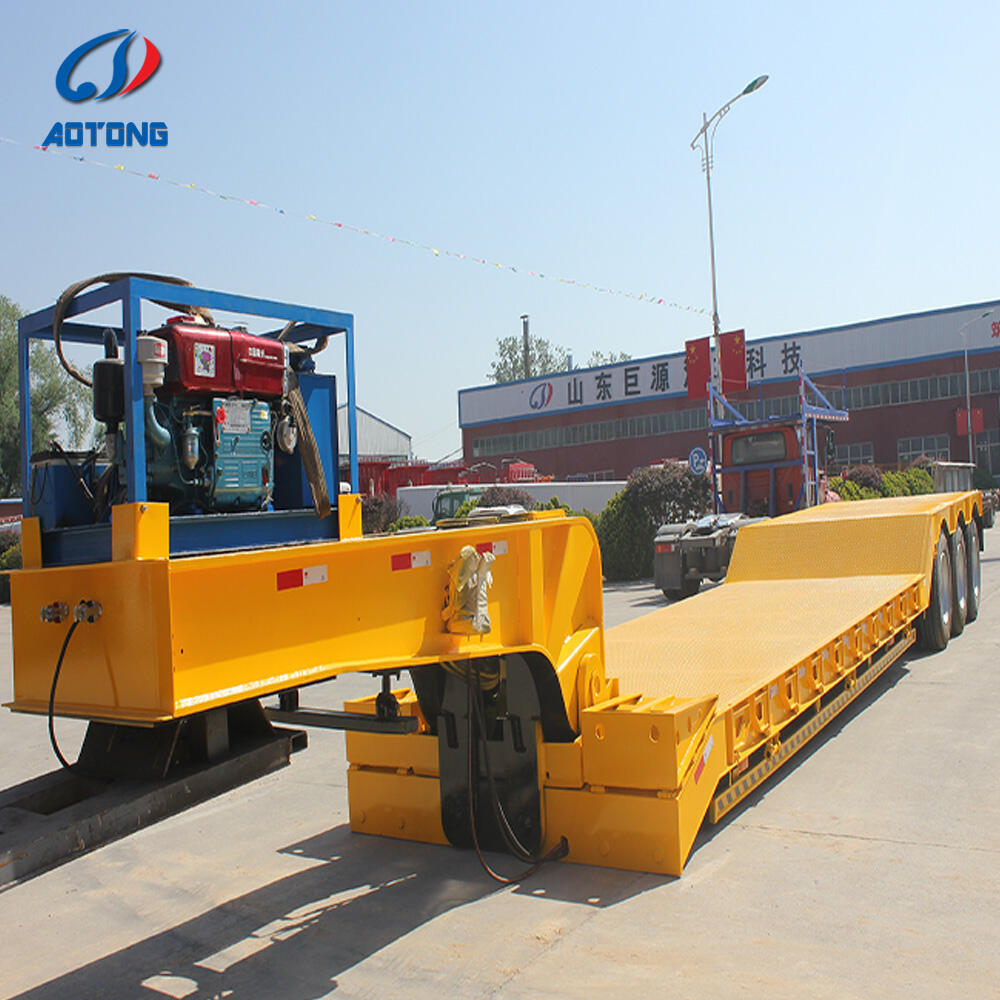
Superior Weight Distribution Through Gooseneck Trailer Hitch Design
How the Gooseneck Coupling Shifts Load Over the Rear Axle
A gooseneck trailer hitch attaches right above the truck's rear axle, changing how weight gets transferred by securing the connection point at where the vehicle is structurally strongest. Bumper pull setups put the load behind the axle, creating a kind of lever effect that pushes down on the truck bed. But with gooseneck hitches, around 15 to 25 percent of the trailer's total weight sits directly over the axle itself. What happens then? The rear axle becomes the main support point instead of acting like a pivot point for twisting forces. Suspension doesn't sag as much, tires maintain better contact with the road surface on all four corners, and there's less chance of losing control at higher speeds. All these benefits come from basic physics principles that work best when weight is centered properly.
Why Centralized Load Transfer Enhances Towing Stability
When using centralized load transfer systems, the center of gravity gets aligned better between the truck and trailer body. This actually brings down the pivot point around 18 inches lower than what we see with standard bumper pull arrangements. With this shorter turning radius, there's much less force acting against crosswinds or when making sudden turns. Plus, the suspension moves together instead of bouncing independently, which stops those annoying up and down vibrations that cause trailer bounce problems. Real world tests show these rigs handle wind resistance about 40% better than traditional setups in similar conditions. When hauling really heavy cargo over 15,000 lbs, this kind of stability becomes absolutely critical. Drivers need full control when swerving suddenly, and nobody wants their rig swinging back and forth like a pendulum at highway speeds.
Reduced Trailer Sway and Improved High-Speed Handling
Physics of Sway Suppression: Low-Pivot Point and Shorter Lever Arm
A gooseneck hitch has this really low pivot point right above the rear axle, which basically shortens the distance between where the trailer's weight sits and where it rotates around. What happens is pretty neat actually. When there are sideways forces acting on the trailer like strong crosswinds or when someone makes an unexpected lane change, the gooseneck design turns these forces into something easier to handle vertically rather than letting them cause all that annoying side to side swaying we see with other hitches. Tests done by manufacturers indicate that gooseneck systems stay much more stable directionally while driving at normal highway speeds. During those simulated lane changes they tested, goosenecks performed about 95 percent better than regular ball hitches. Drivers can safely cruise along at 65 miles per hour or faster without needing to constantly adjust their steering. Plus, there's just not as much back and forth movement from the trailer itself, making for a smoother ride overall.
Enhanced Stability in Adverse Conditions: Wind, Grades, and Rough Terrain
Lower Center of Gravity and Its Impact on Crosswind Resistance
When the hitch sits right above the rear axle, gooseneck trailers tend to have a much lower center of gravity overall. This makes them less prone to swaying back and forth when strong crosswinds hit the side. The extra stability matters a lot for those long trips with high loads or heavy stuff on top, especially out on open roads or through mountain areas where wind can really pick up speed sometimes. No need for all those extra sway control devices either. Just the basic shape and positioning works against the wind forces naturally, thanks to how physics plays out with weight distribution and leverage points.
Gooseneck Trailer Performance on Inclines and Uneven Surfaces
What makes gooseneck trailers so good at handling tough terrain is their special connection point that shifts weight right onto the truck's driving wheels. This setup keeps tires planted firmly when climbing hills and stops them from spinning out on stuff like gravel, mud, or any kind of slippery surface. When driving over those bumpy construction zones with deep ruts, the shorter distance between the hitch and the trailer means less bouncing around. The result? Tires stay in contact with the ground much better than what happens with regular bumper pull trailers that tend to bounce all over the place and sometimes even lose grip completely.
Gooseneck Trailer vs. Bumper-Pull: A Focused Stability Comparison
When it comes to stability while towing, gooseneck trailers simply beat out bumper pull setups because of three main reasons working together. First off, they sit much lower to the ground - about 18 to 24 inches lower actually - which makes all the difference. Then there's how weight gets distributed right over the axle, not hanging back like with bumper pulls. Plus, those lever arms are just naturally shorter on goosenecks. All these things combined cut down on that annoying side-to-side swaying and stop the trailer from acting like a pendulum when making quick turns. Studies looking at how trailers behave when being pulled show something pretty telling: bumper pull rigs have around 70% higher chance of fishtailing once loaded beyond 10,000 pounds. And this problem gets way worse if the load isn't balanced properly or is especially heavy. Anyone who hauls professionally knows this already, but for folks concerned about safety, a gooseneck isn't just better than what came before it. It's basically non-negotiable if we want our trailers to respond predictably and stay under control no matter what happens on the road.
FAQ
What is the main advantage of a gooseneck trailer hitch?
The main advantage of a gooseneck trailer hitch is superior weight distribution, which enhances stability, reduces sway, and improves handling, especially at high speeds and on rough terrain.
How does a gooseneck trailer hitch handle crosswinds?
A gooseneck trailer hitch reduces swaying due to crosswinds thanks to its lower center of gravity and centralized load transfer, which work against wind forces naturally, enhancing overall stability.
Why is a gooseneck trailer hitch better for towing heavy loads?
Gooseneck trailer hitches are ideal for heavy loads because they distribute weight directly over the truck's rear axle, improving stability, reducing fishtailing risk, and ensuring better control, especially when hauling loads over 15,000 lbs.
Can a gooseneck trailer handle rough terrain easily?
Yes, gooseneck trailers are designed to handle rough terrain effectively due to their connection point that shifts weight onto the truck's driving wheels, which enhances tire grip and reduces bouncing.