 EN
EN

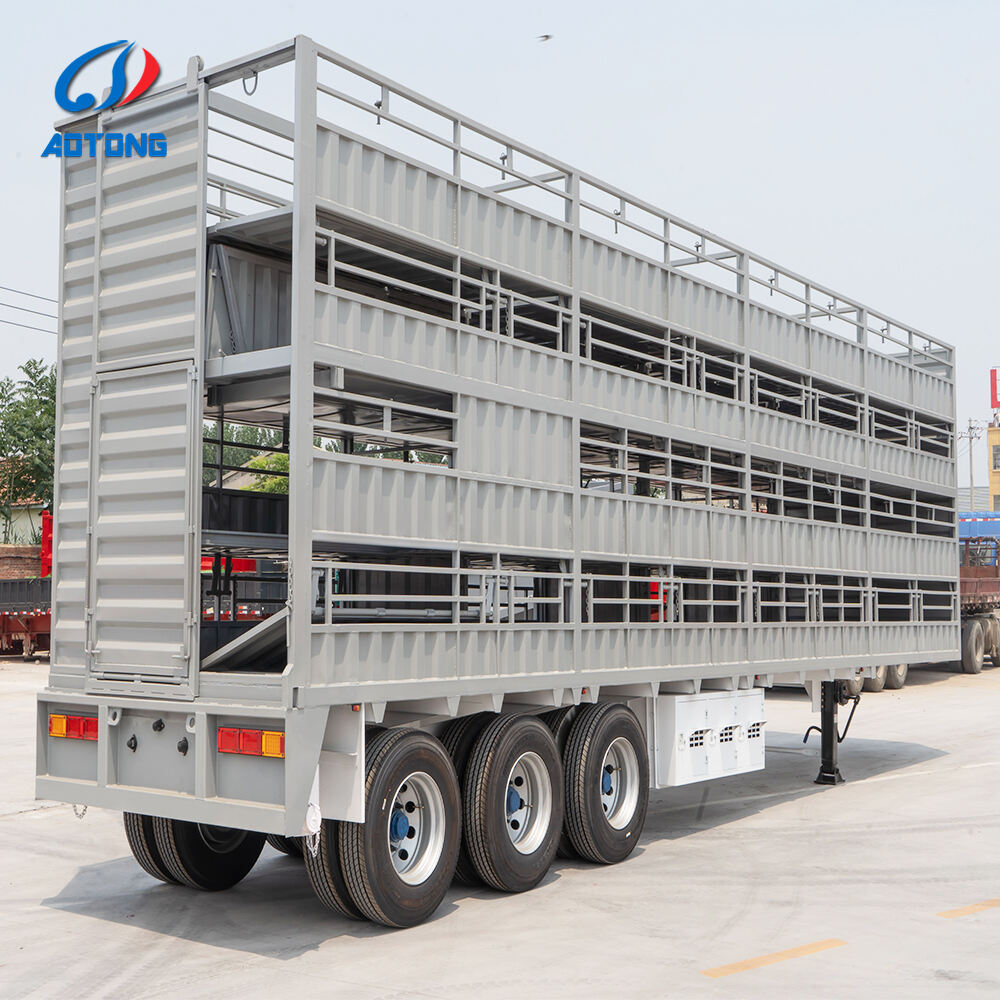
Passive Ventilation Systems in Livestock Trailers
Curtain-Sided Trailers and Natural Airflow Dynamics
Truck trailers with curtains on the sides take advantage of natural winds for ventilation without needing fans or electricity. The side openings are positioned in ways that create good airflow across the trailer while still protecting livestock from getting blown around by strong gusts. When air comes in through those front curtain gaps, it creates these rising currents that carry away heat and ammonia from animal waste, which helps keep things from building up in one spot. Studies using computer models show that these trailers can get between 15 to 20 complete air changes every hour when moving down the highway, something that really cuts down on those nasty pockets of bad air where harmful stuff tends to collect. Farmers can actually adjust how much of the curtain is open depending on what the weather's doing outside, so they can manage both how comfortable their animals feel and maintain proper air quality inside the trailer.
Roof Ventilators and Perforated Flooring for Heat and Moisture Dissipation
When ridge vents are mounted on roofs and paired with aluminum flooring that has holes in it, they create better airflow vertically through what's called the stack effect. Basically, hot air mixed with moisture climbs up and escapes through those roof openings while pulling fresh air in from below at floor level. This setup cuts down on humidity inside by around 30 to maybe 40 percent when compared to regular trailers without proper ventilation. That makes a big difference for animals' breathing health. The same flooring with holes also helps drain away urine, which means fewer slips and less ammonia building up where animals stand. These simple design elements keep things cool enough inside during transport so temperatures stay pretty close to what's outside, usually within about five degrees Fahrenheit even when there's some heat coming in.
Active Ventilation Systems in Livestock Trailers
Electric Roof Fans and Positive Pressure Ventilation for Uniform Air Exchange
Electric roof fans create reliable ventilation no matter what the weather is doing outside, because they push fresh air down into cargo areas through positive pressure systems. The design works pretty well too, moving around 15 cubic feet of air per minute for each animal inside the space. That's enough airflow to clear out hot, stuffy air and get rid of those pesky airborne germs that can build up over time. Passive ventilation just doesn't cut it when conditions change, but these active fans keep working their magic even when there's no wind blowing or temperatures swing up and down. They really help cut down on dangerous levels of carbon dioxide and ammonia building up in enclosed spaces. Putting fans across the ceiling in a row helps make sure no spot gets left without proper airflow. And the blades can be adjusted on the fly depending on what sensors tell them about temperature and humidity levels inside. Plus, all this happens while keeping power consumption under 500 watts per unit, which isn't bad considering how effective they are at keeping things fresh and safe.
Tunnel Ventilation and Supplemental Climate Control Integration
Tunnel ventilation systems typically feature powerful exhaust fans installed at both ends of trailers to create strong directional airflow that can reach over 600 feet per minute. This helps provide much needed wind chill relief when animals experience heat stress. The setup works well with other climate control methods too. Cooling pads placed at air intake points can drop the temperature of incoming air by around 12 to 15 degrees Fahrenheit if the surrounding air isn't too humid. When it gets cold outside, thermostats kick in propane heaters without affecting the necessary air exchange rates. For more sophisticated setups, variable frequency drive motors come into play. These smart components adjust fan speeds automatically so temperatures stay within about 2 degrees Fahrenheit of their target settings. This kind of precise control is really important for preventing stress in pigs during those tricky temperature shifts between seasons.
Evaluating Ventilation Effectiveness in Livestock Trailer Design
Air Exchange Rate (AER), Airflow Uniformity, and Dead Zone Mitigation
When it comes to assessing how well a ventilation system works, there are basically three things we look at: Air Exchange Rate (AER), how evenly air moves around, and getting rid of those pesky dead spots. The AER tells us how often fresh air replaces stale air inside the space. Most guidelines suggest aiming for about 60 to 80 air changes per hour during hot weather transportation to keep temperatures down, control humidity levels, and flush out harmful stuff. Getting good airflow distribution across the entire area helps prevent dangerous buildups of ammonia or carbon dioxide, especially around loading areas or beneath trailer ceilings where these problems tend to concentrate. Those dead zones where air barely moves at all (below 0.1 meters per second) can be tackled by carefully positioning intake and exhaust vents together, plus adding extra fans if necessary. Studies using computer simulations show that properly designed systems cut dead zone volume by more than 70%, which means animals breathe easier and suffer fewer heat stress deaths while being transported.
Impact of Ventilation on Animal Health and Welfare During Transport
Temperature and Humidity Control in Pig Transport: Linking Ventilation to Respiratory Health
How good the air is inside transport vehicles has a huge impact on what kind of environment pigs actually live in during transit, which affects how their bodies handle stress. When ammonia builds up past those 25 parts per million marks, it starts irritating the lining of their noses and throat areas, weakening their ability to fight off infections. And if temperatures stay above 30 degrees Celsius for too long? That triggers all sorts of heat stress reactions in these animals. Some studies from European farms found that keeping humidity under 70% and making sure there's steady airflow throughout the trailer can cut down respiratory issues by almost half. The real kicker though? Air that moves properly stops bad bacteria from multiplying so much. Trailers with poor ventilation tend to have about three times more germs hanging around compared to ones with decent airflow. Looking at actual biological markers supports this too. Pigs traveling in better ventilated systems typically have around 30% less cortisol in their bloodstreams, meaning they're not as stressed out overall. From what I've seen working in this field, proper ventilation isn't just about meeting regulations anymore. It's become essential for anyone serious about moving livestock ethically while still relying on solid scientific principles.
FAQ
1. What is passive ventilation in livestock trailers?
Passive ventilation in livestock trailers involves using natural airflow dynamics, such as side curtains and roof ventilators, to provide air exchange without requiring electricity or fans.
2. How do roof ventilators and perforated flooring help in trailer ventilation?
Roof ventilators allow hot, moist air to escape from the top, while perforated flooring helps by facilitating the drainage of urine and promoting vertical airflow, reducing humidity and heat buildup.
3. What are the benefits of active ventilation systems?
Active ventilation systems, like electric roof fans and tunnel ventilation, provide consistent airflow regardless of weather conditions, ensuring uniform air exchange and providing effective temperature and humidity control.
4. Why is ventilation important for the health of transported livestock?
Good ventilation is crucial because it prevents harmful gases like ammonia and carbon dioxide from building up, reduces humidity, and keeps temperatures stable, all contributing to better respiratory health and reduced stress for the animals.
5. What factors are considered when evaluating ventilation effectiveness in trailers?
Key factors include the Air Exchange Rate (AER), airflow uniformity, and the reduction of dead zones, all of which help ensure effective ventilation and a healthy environment for livestock.