 EN
EN
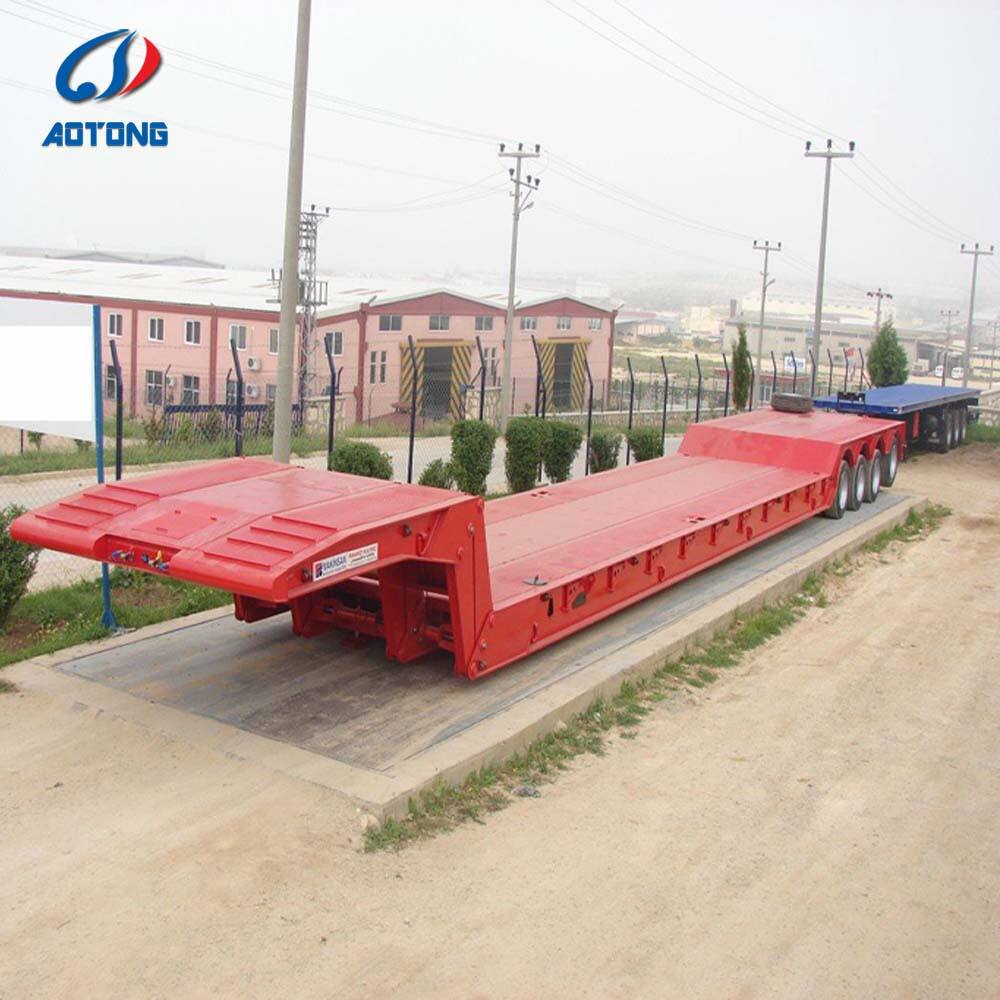
Superior Stability and Sway Control with a Gooseneck Trailer
Central hitch placement reduces trailer sway and improves road handling
Gooseneck trailers attach right above the truck's rear axle, which creates a much shorter pivot point between the vehicle and what's being towed. The way these are built actually cuts down on side-to-side movement when making turns or reacting suddenly to road conditions, so there's far less swaying from side to side than traditional setups. Testing on actual roads has shown around 28 percent less bouncing back and forth during those panic-inducing lane changes compared to regular ball hitches. Drivers notice this difference immediately, especially when carrying heavy loads where stability matters most. Most people find their confidence grows behind the wheel knowing they won't be fighting against wild swings while maneuvering through traffic.
Optimal weight distribution over the rear axle enhances towing balance
Gooseneck trailers work better for traction and stability because they put more weight right over those drive wheels. The way these trailers are set up actually moves about 15 to maybe even 20 percent extra weight onto the rear axle compared to regular bumper pull setups. That helps balance things out so the steering stays nice and responsive when driving. When looking at traditional rear mounted hitch systems, sometimes they have a tendency to lift up the front of the truck. But with goosenecks, the weight distribution keeps tires firmly planted on the pavement. Drivers will notice less fishtailing during turns and generally feel less tired after spending hours behind the wheel on those long trips across country.
Real-world performance: Gooseneck vs. bumper pull trailers in crosswinds
In high-wind conditions, gooseneck trailers demonstrate superior control. Highway testing at 60 mph shows:
| Condition | Gooseneck Trailer Sway | Bumper Pull Sway |
|---|---|---|
| 25 mph crosswind | 1.8° deviation | 7.2° deviation |
| Passing semi-truck | Minimal push effect | Severe jerk |
The centralized hitch lowers the rotational center, preventing dangerous pendulum-like motion. This stability holds whether transporting construction equipment or livestock through mountain passes or open highways.
Higher Towing Capacity for Heavy-Duty Hauling Needs
Tow 14,000–25,000 lbs: Gooseneck trailers built for maximum load capacity
Gooseneck trailers can handle weights between 14k and 25k pounds because of how the hitch sits right above the truck's rear axle. The way these trailers balance works great since it sends most of the weight straight down onto the truck frame instead of lifting up those front wheels when loaded. No need to worry about going over GVWR limits either. Built tough with thick steel frames and extra strong decking, these trailers stand up to all sorts of rough treatment on job sites. That makes them perfect for moving around big construction gear or piles of materials that would definitely strain regular bumper pull trailers. Contractors know this from experience after trying both options side by side.
Ideal for commercial, agricultural, and industrial applications
Trailers are pretty much indispensable throughout various sectors these days. Construction crews rely on them every day to haul all sorts of gear around job sites, whereas farmers need them to shuttle massive machines like combines and those big round balers from one field to another. Manufacturing plants appreciate their stability too since they can safely move oversized equipment without worrying about things sliding around during transit. Many models come equipped with handy features like hydraulic tilt decks or removable sides that make loading and unloading easier. The standardized hitch system is another smart design element because it means all trailers in a company's fleet work together seamlessly. This compatibility cuts down on waiting time when swapping out trailers and keeps operations running smoothly even during peak periods when everything needs to happen fast.
Improved Maneuverability in Tight Spaces
Tighter turning radius enables easier navigation on job sites and farms
When the hitch sits right over the rear axle, gooseneck trailers can actually turn much tighter than those old bumper pull setups. Drivers find this really helpful when maneuvering through tight spots like narrow farm gates, curvy back roads, and busy construction sites without constantly having to make course corrections. The smaller turning circle means there's less chance of bumping into things such as fences, equipment, or buildings when making turns, especially important in areas where there just isn't enough room to spare.
Greater control when reversing compared to conventional trailers
Backing up a gooseneck trailer just feels right because of how it pivots right in the middle. When someone turns the wheel, the trailer actually follows along pretty much exactly what they expect, so there's less of that annoying push-pull feeling that makes people second guess themselves. And let's face it, nobody wants their rig to start jackknifing on them. Most drivers find they can get into those loading bays without too much hassle, line things up with ramps, and even squeeze equipment into those really tight spots where space is at a premium. The difference between this setup and regular bumper pulls? Well, folks who've made the switch report cutting down on those frustrating overcorrections by about half give or take depending on conditions. Makes sense why so many companies are prioritizing safety improvements across their fleet operations these days.
Durability and Versatility Built for Long-Term Use
Robust construction ensures longevity under heavy loads and tough conditions
Built with strong steel frames, tough axles, and solid welded joints, gooseneck trailers can handle constant pounding from regular use. Special coatings help fight rust buildup, which is really important for equipment used on construction sites where dirt and moisture are everywhere, or out in farm fields exposed to all kinds of weather. According to tests run by manufacturers, these heavy duty trailers last around 40 percent longer than regular ones when they're carrying loads exceeding 10,000 pounds every day. The extra support beams positioned throughout the trailer frame spread out the weight better so parts don't wear down as fast, even when moving across bumpy roads or through gravel pits.
Flexible bed configurations and sizes meet diverse hauling requirements
Gooseneck trailers come in standard sizes ranging between 20 and 40 feet, and they feature all sorts of customizable parts like removable side panels, adjustable loading ramps, and those handy hydraulic tilt beds. These trailers can handle pretty much anything from heavy industrial equipment down to animals needing transport. The real advantage here is that businesses don't have to maintain separate trailers for different purposes anymore. Some industry reports suggest this flexibility can actually cut down on overall equipment expenses somewhere around 30-35%. When moving cars, construction materials, or really big items that just won't fit anywhere else, these versatile trailers keep paying off year after year thanks to their rugged build quality and ability to adapt to whatever needs arise on the job site.
FAQ Section
What makes gooseneck trailers more stable than bumper pull trailers?
Gooseneck trailers attach above the truck's rear axle, creating a shorter pivot point. This design enhances stability by reducing side-to-side movement and maintaining better weight distribution, minimizing sway during turns and lane changes.
How do gooseneck trailers handle heavy loads?
Gooseneck trailers distribute weight directly onto the truck frame, supporting loads between 14,000 and 25,000 lbs effectively. Their sturdy construction ensures they withstand rough conditions, making them ideal for construction and industrial applications.
Are gooseneck trailers suitable for agricultural purposes?
Yes, gooseneck trailers are excellent for agricultural use. Their stability and larger capacity make them perfect for transporting heavy machinery and equipment to different fields safely and efficiently.