 EN
EN

Cost Savings and Operational Efficiency with Container Trailers
Reduced Handling Costs Through Standardized Intermodal Transfer
Container trailers make moving cargo much easier across different transport modes like ships, trains, and trucks without having to unload everything first. The standard size of these ISO containers means no need to repack stuff again and again, which saves companies around 30 to 40 percent on handling costs compared to old fashioned freight methods where workers had to handle each item individually. When containers just get loaded straight onto trailers after arriving at the dock, businesses save money on warehouse storage, don't have to pay for extra packing crews, and reduce the chances of damage when goods get handled multiple times. All this makes ports work faster, cutting turnaround time in half actually, while also keeping down those expensive equipment rentals that eat into profit margins so badly.
Labor and Time Efficiency Gains in Loading/Unloading Cycles
New trailer designs like twist lock systems and those sliding extendable frames really speed things up on site. What used to take workers all day now gets done in just a few minutes, which cuts down on man hours by around 60 percent according to industry reports. When companies start pre loading containers at remote warehouses before heading back to main distribution centers, it frees up valuable dock space and keeps trucks from idling so much longer than they should be. We're talking about cutting waiting times down by roughly 70%. All these improvements mean transport companies can squeeze in 3 or even 4 extra runs each day, getting better value out of their fleet assets. The tilt bed trailers are especially handy for places without proper lifting equipment. These models let crews load cargo without needing expensive cranes, saving about a quarter of the typical equipment costs while still keeping goods secure during transit.
Seamless Intermodal Connectivity Across Transport Modes
How Skeletal Container Trailers Enable Rapid Shifts Between Rail, Road, and Port
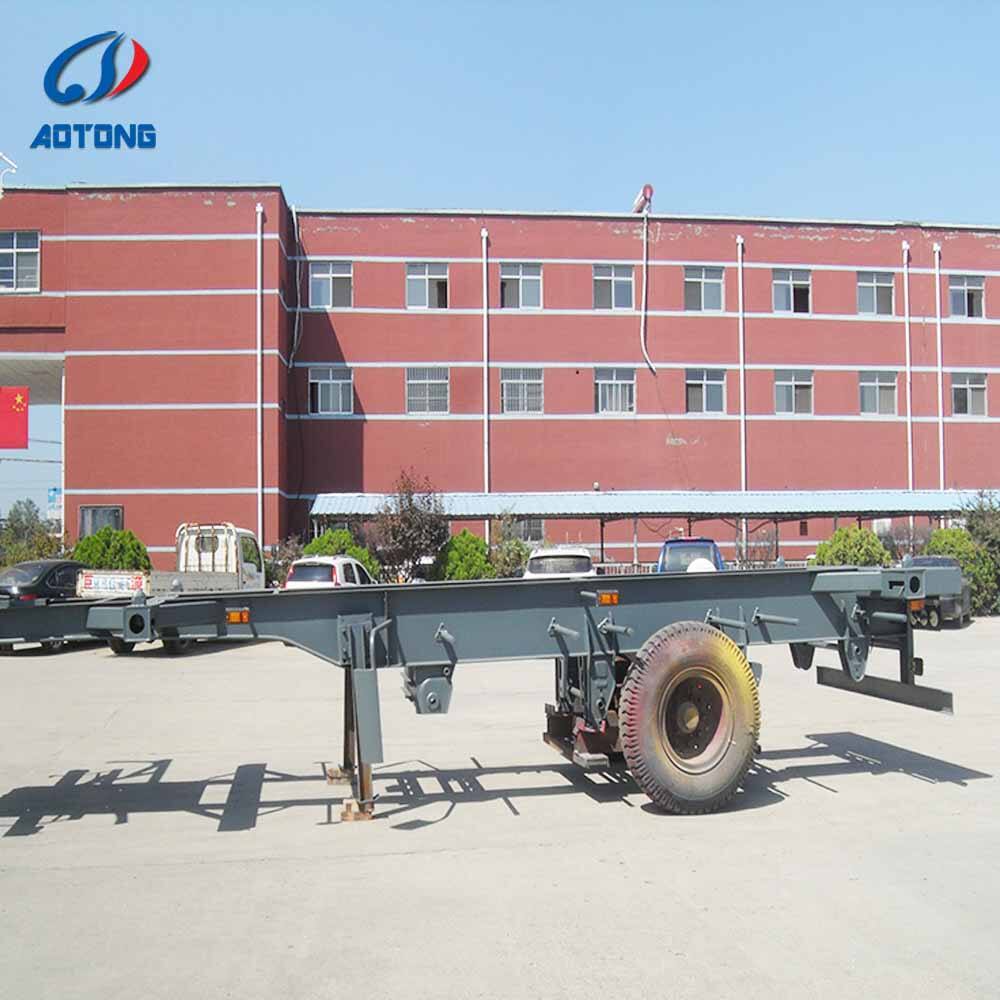
Skeletal container trailers get rid of those old fashioned chassis needs because they come equipped with built-in twist lock systems and stronger corner blocks. What this means in practice is that containers can be moved directly from truck to train to ship without much hassle at all. The whole process takes less than an hour which matters a lot when dealing with fresh produce or expensive goods that need quick handling. When companies stick to standardized ISO container connections, terminals see their waiting times drop about 40 percent according to Logistics Tech Review back in 2023. And there's another benefit too these trailers help cut down on problems that typically set supply chains back around $740k each time something goes wrong, as noted by the Ponemon Institute study from last year.
Compatibility with Dry, Refrigerated, and Flat Rack Containers
These trailers universally accommodate standard TEU (Twenty-Foot Equivalent Unit) dimensions across dry van, refrigerated (reefer), and flat rack containers. This cross-compatibility allows logistics teams to consolidate specialized shipments onto a single transport platform, cutting equipment repositioning costs by up to 35% versus dedicated fleets.
Enhanced Durability, Safety, and Cargo Protection
The strength of container trailers comes from their high tensile steel frames plus those reinforced corners that really hold up under pressure. These designs are built specifically to handle the stress of being stacked on top of each other and whatever harsh weather conditions might come along during transport across different modes. According to recent studies from FMCSA back in 2023, these tough builds actually cut down on damaged goods by about forty percent when compared to regular trailers on the market today. Plus there's something else worth mentioning too the ISO locking systems that keep things secure. They make it much harder for anyone trying to get into the cargo area without permission thanks to those special tamper proof bolts. And speaking of security measures...
- Watertight flooring and seam-sealed walls preventing moisture intrusion in 99.3% of storm conditions (ISTA, 2023)
- Impact-absorbing E-track lashing points securing loads against sudden shifts
- UV-resistant coatings minimizing material degradation during prolonged exposure
Standardized corner fittings ensure rapid compatibility with twist-lock systems at ports and railyards—eliminating manual securing errors responsible for 27% of load-shift incidents. Collectively, these safety features reduce insurance claims by $740,000 annually per fleet (Ponemon Institute, 2023), while corrosion-resistant alloys extend service life beyond 15 years—even in coastal environments.
Scalability, Regulatory Compliance, and Fleet Flexibility
Axle Configuration Options and Legal Weight Compliance Across Regions
Container trailers provide real flexibility because they come with different axle options that work well for various types of cargo and local rules. Drivers and logistics managers can change how the axles are spaced out or grouped together so their trucks meet weight restrictions everywhere from US highways to European roads without having to buy whole new fleets. This kind of adjustment helps avoid expensive tickets which can run as high as fifteen thousand dollars each time according to recent data from the Federal Motor Carrier Safety Administration. Take it from experience: when shipping goods through areas where extra weight is allowed, using three axles makes sense for carrying bigger loads. But on older bridges or roads that need protection, spreading those same axles apart distributes the load better. The ability to switch between these configurations means transport companies stay ahead of changing regulations all over North America, throughout Europe, and even into Asia Pacific markets where standards keep shifting.
Sustainability Advantages: Lower Emissions and Improved Fuel Efficiency
Container trailers significantly reduce environmental impact through optimized cargo density and reduced empty runs. Their skeletal design and weight optimization yield 15–20% higher payload capacity within legal limits, directly improving fuel economy per ton-mile and lowering associated emissions.
Fuel Savings per Ton-Mile vs. Conventional Box Trailers
Compared to conventional box trailers, container trailers deliver measurable efficiency gains:
| Efficiency Metric | Container Trailer | Conventional Box Trailer |
|---|---|---|
| Average payload capacity | 25–30 tons | 20–23 tons |
| Fuel consumption | 6–7 MPG | 5–6 MPG |
| CO₂ emissions per ton-mile | 18–22 g | 25–30 g |
The better performance comes down to lighter weight and smarter design that cuts through air resistance, so drivers can haul more goods without making extra runs. Take a standard year with around 100 thousand miles driven, and the money saved on gas adds up to over twelve grand per truck. Plus, each vehicle would slash about eight to ten tons of carbon emissions annually. When looking at the big picture, all these benefits position container trailers as key players in building a greener supply chain network across industries.
FAQ
What are the key benefits of using container trailers?
Container trailers offer cost savings, operational efficiency, increased cargo protection, and reduced environmental impact. They streamline intermodal transfers, cut labor costs, and improve payload capacity while reducing emissions.
How do container trailers improve fuel efficiency?
By optimizing weight and design, container trailers enhance payload capacity and reduce fuel consumption. This leads to better fuel economy per ton-mile, offering substantial savings and lowering CO₂ emissions.
Are container trailers compatible with different types of cargo?
Yes, container trailers are designed to accommodate dry, refrigerated, and flat rack containers, making them versatile for transporting various types of cargo efficiently.
Table of Contents
- Cost Savings and Operational Efficiency with Container Trailers
- Seamless Intermodal Connectivity Across Transport Modes
- Enhanced Durability, Safety, and Cargo Protection
- Scalability, Regulatory Compliance, and Fleet Flexibility
- Sustainability Advantages: Lower Emissions and Improved Fuel Efficiency
- FAQ