 EN
EN

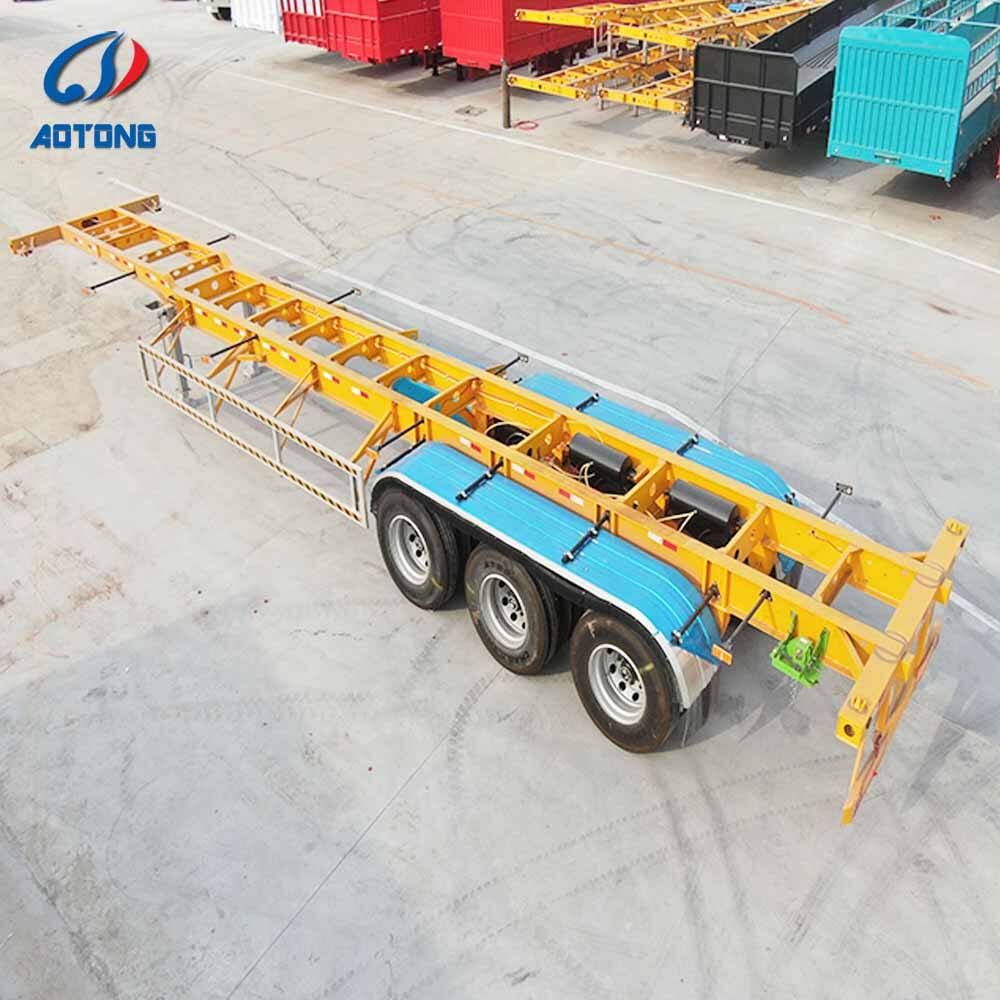
Standard Fixed-Frame Container Chassis for Core Intermodal Operations
Structural Design and Load-Bearing Features
Fixed frame chassis typically feature high tensile steel frames along with reinforced I beam cross members that provide solid structural integrity even after years of heavy duty operation. The ISO corner castings are placed just right while automatic twist locks keep containers securely attached and transfer loads effectively whether working with tandem or tri axle setups. These frames have been designed so weight gets distributed evenly across the whole structure something absolutely necessary when dealing with those maximum GVW limits set at 53,000 pounds by FMCSA regulations. Compared to their sliding counterparts, fixed frames cut down on mechanical complications because everything is welded together instead of bolted. This means fewer parts need regular maintenance and better resistance to all that pounding and shaking that happens daily in busy ports and rail yards. What really stands out about these designs though are several critical load bearing elements worth noting: extra thick kingpins that stabilize the fifth wheel connection, reinforced gooseneck areas that prevent bending when lifting containers, and overall frame shapes that fight torsion forces especially important when dealing with vertical loads stacking up from multiple containers.
Primary Use Cases: Port Drayage, Rail Yard Transfers, and Regional Haul
Fixed frame chassis get made specifically for those regular intermodal jobs where containers stay the same size throughout. Think about moving stuff from ports to warehouses, switching cargo at rail terminals, or running regional trips under 500 miles. When ships arrive at ports, having standard sized containers really helps cranes work faster and cuts down on how long it takes to unload vessels. Rail yard workers appreciate these chassis too because they can move containers back and forth between train stacks and loading docks without wasting time adjusting lengths. Companies doing regional distribution find them pretty cost effective overall. The numbers check out too - fleets typically save around $18k per chassis compared to sliding versions according to Intermodal Association of North America stats from last year. Plus these fixed units keep going strong with about 98% uptime during those short but frequent runs. Most trucking companies stick with fixed frames when they only deal with standard 20 foot or 40 foot ISO containers and don't need to switch between different lengths all the time.
Extendable and Slider Container Chassis for Multi-Length Flexibility
Telescoping Mechanics: Supporting 20², 40², and 45² ISO Containers
Modern extendable chassis incorporate sliding frame sections that can be moved either through hydraulic systems or mechanical actuators. These frames allow the bed length to expand from around 7.3 meters (about 20 feet) all the way up to approximately 13.7 meters (roughly 45 feet). What makes these vehicles so valuable is their ability to fit all three standard ISO container sizes on one platform. The design includes twist locks positioned at specific points along the rail system which keeps everything structurally sound during transportation journeys. Air ride suspension systems also play a role here, helping keep cargo stable even as the chassis extends and contracts. Carriers who deal with varying container loads have seen significant benefits too. According to data from the Intermodal Association of North America in 2023, companies can cut down their fleet sizes by nearly 30 percent when using these adaptable chassis. This means better asset management across operations without sacrificing safety standards or regulatory compliance requirements.
Axle Configuration Impact on Weight Distribution and Regulatory Compliance
How axles are set up matters a lot when it comes to staying legal on roads and keeping cargo safe on slider chassis trucks. Let's look at tandem axles first these have two sets of wheels and can handle around 36,000 pounds spread across four tires which works great for regular 40 foot loads. Tri-axle configurations take this further by distributing weight over six wheels allowing transportation of those heavier or longer 45 foot containers without running afoul of regulations. When frames get extended though something interesting happens the center of gravity changes position. That's why newer slider chassis models now come equipped with automatic balancing systems designed to keep weight differences between axles below 10%. This helps prevent getting hit with fines from violating federal bridge formulas. Speaking of fines, anyone caught out of compliance per axle typically faces about $740 in penalties according to FMCSA data from last year. So real time weight checks and adjustments aren't just nice to have they're pretty much required nowadays. Tire pressure monitoring systems also play their part in maintaining balanced loading especially when moving between different road conditions.
Specialized Container Chassis for Non-Standard and Temperature-Sensitive Cargo
Reefer, Low-Bed, Tank, and Tipper Chassis: Purpose-Built Engineering
Specialized chassis address operational demands beyond standard intermodal freight:
- Reefer chassis integrate onboard power units, refrigeration hookups, and thermal insulation to sustain precise temperature ranges (-25°C to +25°C) for pharmaceuticals, produce, and other perishables
- Low-bed chassis feature dropped decks to lower the load height-critical for transporting high-cube containers or oversized machinery under bridges and tunnels
- Tank chassis employ reinforced frames, anti-slosh baffles, and corrosion-resistant materials to safely move liquids and hazardous chemicals
- Tipper chassis use hydraulic lifting mechanisms to enable controlled, on-site unloading of bulk commodities like grain, sand, or aggregates
Each design incorporates purpose-specific enhancements-including upgraded axle ratings, specialized twist locks, and material treatments-to meet rigorous performance and safety standards.
Domestic (53²) vs. International (20²/40²/45²) Regulatory and Operational Constraints
Domestic and international container movements impose distinct regulatory and infrastructure requirements:
| Domestic (53²) | International (20²/40²/45²) | |
|---|---|---|
| Max Weight | 80,000 lbs (U.S. bridge law) | Varies by country; typically capped at 53,000-67,200 lbs depending on axle count and jurisdiction |
| Axle Spacing | Fixed to comply with U.S. state and federal road regulations | Adjustable to align with global port and rail infrastructure standards |
| Clearance & Handling | Optimized for overland routes with height and turning-radius constraints | Designed for compatibility with ship cranes, railcars, and ISO-standard handling equipment |
When deployments don't match specs, companies face serious consequences. Fines can run around $740k on average for each incident involving overweight loads or dimensional issues according to recent data from FMCSA and Ponemon Institute in 2023. Plus there's the added headache of getting cargo rejected at terminals and facing those frustrating shipment delays that eat into profits. For businesses operating internationally, finding the right chassis matters a lot. They need vehicles with adjustable bolsters that can handle different load configurations and parts that meet certification standards worldwide. Domestic operators have their own challenges though. They focus more on staying within GVWR limits through smart axle arrangements and suspension systems rated for specific weights. Getting these details right makes all the difference between smooth operations and costly headaches down the road.
Selecting the Right Container Chassis: Key Decision Factors for Fleets
Getting the right container chassis means matching specs to what actually happens on the road day to day. Fleet managers need to start by looking at container sizes first. Are they dealing with standard 20 foot, 40 foot or even 45 foot ISO containers? Or maybe those longer domestic 53 foot trailers? This decision point really affects whether fixed, sliding or special purpose chassis make financial sense in the long run. Axle setups and how weight gets distributed across them matter just as much, particularly since different regions have their own rules about maximum weights and bridge formulas. For certain types of cargo, there's no getting around purpose built equipment either. Refrigerated chassis keep perishables safe during transport, low bed versions handle tight spaces where height matters, and tanks or dumpers simply meet specific handling requirements set by regulations. How durable something is, plus ongoing maintenance expenses and what kind of roads it will regularly encounter all play into the equation too. Companies that take all these things seriously tend to get better results. According to Intermodal Association of North America data from last year, fleets making informed choices saw between 12 and 18 percent improvement in how effectively they used their assets, which cuts down on wasted time and keeps everything running within legal boundaries.
FAQ
What are the key differences between fixed-frame and extendable chassis?
Fixed-frame chassis have welded parts that reduce maintenance needs and are designed for standard container sizes. Extendable chassis, on the other hand, feature sliding frames that can adjust to accommodate different container lengths, providing flexibility for variable cargo.
Why are axle configurations important for slider chassis?
Axle configurations impact legal compliance and cargo safety. A balanced axle setup prevents fines from violating bridge formulas and ensures safe transportation, especially for heavier containers on extendable chassis.
What types of cargo require specialized container chassis?
Specialized chassis are designed for non-standard and temperature-sensitive cargo like refrigerated goods, oversized machinery, liquids, and bulk commodities.
How do domestic and international regulatory constraints affect container chassis selection?
Domestic movements prioritize compliance with U.S. regulations including max weight limits and axle spacing, while international operations require adjustable chassis to meet varying global standards.