 EN
EN

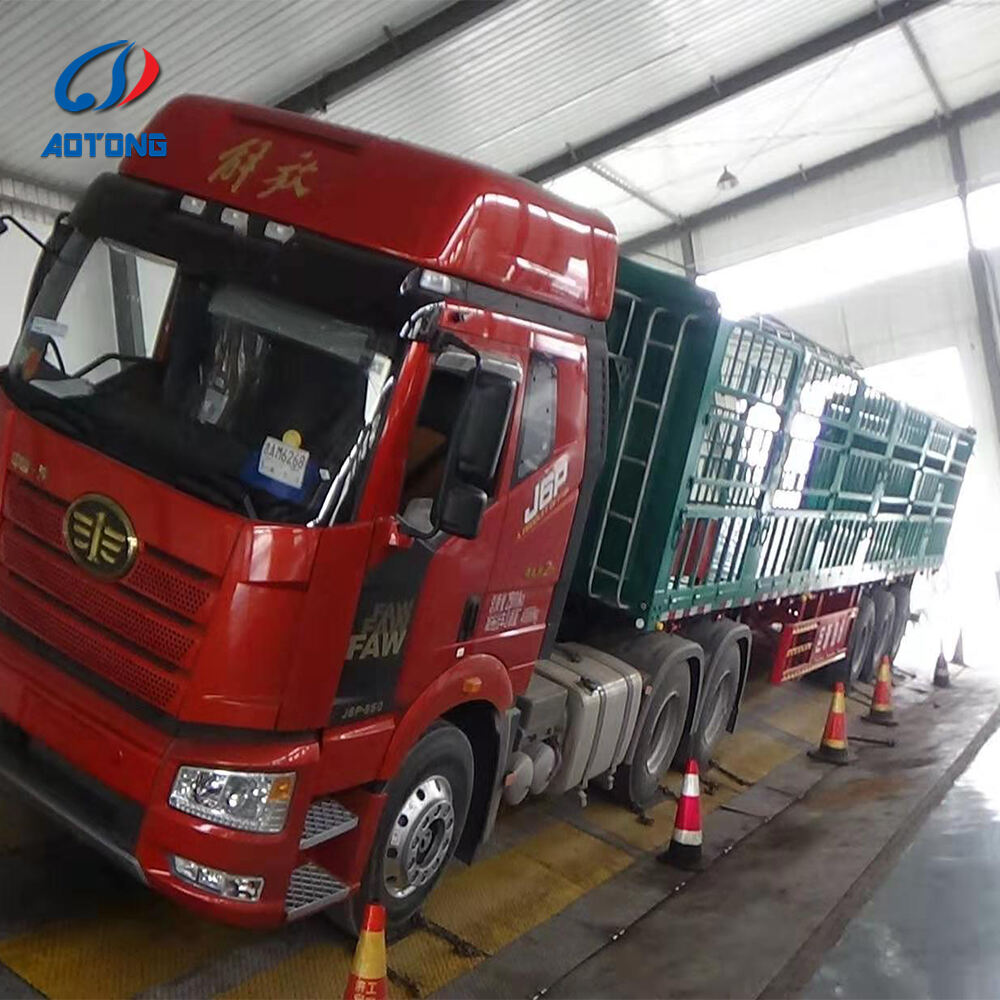
Next-Generation Livestock Trailer Design for Species-Specific Welfare
Biosecure, Low-Stress Loading Systems and Lift Deck Integration
Today's livestock trailers come equipped with biosecure loading systems that help stop the spread of diseases and reduce stress for animals during transport. The new hydraulic lift decks let animals board at ground level instead of climbing those dangerous steep ramps which cause about 63% of all loading injuries according to Animal Handling Research from 2023. Farmers love the non-slip floors with holes in them because they stay dry even after hours on the road. Before loading, there are also special spray arches that clean animal hooves, cutting down pathogens by around 41% compared to when people do it manually. These trailers can handle different types of animals too. Cows usually go on the bottom level behind strong partitions, while chicken crates sit safely above on suspension systems that absorb shocks. Real world testing shows these modern designs save about 35 minutes per loading session and actually lowers stress hormones in transported animals by nearly 30%.
Structural Adaptations for Pigs, Cattle, and Poultry Comfort
The design of trailer compartments comes from deep understanding of how different animals behave and what they need physiologically. For cattle transport, we see rounded corners and padded dividers placed between 48 to 54 inches apart. These dimensions come from years of observation and USDA testing, which has shown they help prevent injuries and keep animals calmer during transit. When it comes to pigs, the trailers have rubber coated slats with gaps about three quarters of an inch wide. This setup stops them from slipping while still allowing proper waste management. Poultry transport requires special attention too, with crates that give each bird around 2.5 square feet of space. The suspension system built into these crates helps minimize stress caused by road vibrations. Temperature control remains a major concern, and our thermal maps show these designs keep inside temps within four degrees Fahrenheit of outside conditions, which makes all the difference in preventing heat stress. Other smart touches include streamlined rear sections that cut wind resistance by nearly 20%, partitions that can be rearranged quickly when needed, and dark interior surfaces that reduce visual stimulation for stressed animals.
Smart Climate Control in Livestock Trailers: Ventilation, Monitoring, and Microclimate Stability
Real-Time THI Monitoring at Animal Level
To stop animals from suffering heat stress, we need to look at what's happening right where they stand, not just general temperature readings. The newer tech uses lots of little sensors spread throughout trailers at animal level heights. These gadgets check the Temperature-Humidity Index (THI) about every half minute. What this does is spot those tiny pockets of extreme heat that regular monitoring systems completely miss. For example, when the THI gets above certain levels for different animals like around 80 for cows, drivers get warnings on their phones so they can open vents or let animals rest somewhere cooler. Some tests in actual transport situations have found that keeping track this closely cuts down deaths during hot weather trips by roughly 18 percent. That makes a big difference in animal welfare and operational costs.
Dynamic Ventilation Systems Responsive to CO₂, NH₃, and Humidity
The ventilation system actually reacts smartly when there are changes in air quality. These systems have sensors that pick up increases in carbon dioxide from people breathing, ammonia coming off animal waste, and sudden jumps in humidity levels. When these things happen, the fans kick in at just the right speed. Most setups mix regular roof vents with powered exhaust units so they can manage airflow properly while keeping oxygen levels fresh and removing excess heat. During colder months, special attention is paid to where the air moves around so babies and young animals don't get chilled by unwanted drafts. Some research looking at transport conditions has found that facilities using this kind of smart control see about a quarter fewer cases of respiratory problems among animals. That makes a big difference for overall health outcomes.
IoT-Enabled Welfare Assurance: Real-Time Health and Stress Tracking in Livestock Trailers
Physiological Stress Biomarkers: Heart Rate Variability and Cortisol Correlates
Truck trailers equipped with IoT technology can now monitor important biological indicators such as heart rate variability (HRV) and cortisol levels through non-invasive methods, giving real time insights into animal welfare during transport. When HRV drops, that usually means animals are experiencing immediate stress responses from their autonomic nervous system. High cortisol levels tend to indicate longer term stress conditions. These smart sensors constantly send out data streams, and when certain limits get crossed, the system automatically sends warnings to operators who then adjust things like air flow inside the trailer, schedule extra rest periods for livestock, or even change transportation routes if needed. Studies show these kinds of interventions cut down on deaths during transit by around 28% compared to regular shipping practices. This kind of monitoring helps companies stay ahead of changing regulations regarding animal care, including requirements set forth in EU Regulation (EC) No 1/2005 and guidelines issued by USDA about keeping environmental conditions within safe ranges for transported animals.
Regulatory Navigation and Route Optimization for Modern Livestock Trailers
EU Regulation (EC) No 1/2005 vs. Evolving U.S. State-Level Standards
Livestock transporters dealing with cross-border movements run into completely different rules depending on where they go. The European Union has strict rules under Regulation (EC) No 1/2005 that set maximum travel times for animals - like only 8 hours for young calves that haven't been weaned yet. Vehicles must meet specific standards too, and since 2007 all transports need to be tracked via satellite. Things look quite different in America though. Take California for instance, where Proposition 12 requires at least 24 square feet of space per grown cow. But just drive east to Utah and there are basically no minimum space requirements at all. These wildly different regulations make it really hard to keep transport fleets consistent across regions. Ventilation systems, when animals should get breaks, and how to handle heat or cold extremes all vary so much between jurisdictions that operators end up constantly adjusting their practices based on where they're headed next.
GPS-Optimized Routing to Minimize Transit Time and Thermal Stress
The latest GPS systems for routing now bring together real time weather data, traffic information, and built-in temperature sensors so they can actively redirect transport vehicles away from areas where heat poses risks. If local forecasters predict heat indexes going above 79 degrees Fahrenheit, which is when birds start getting stressed out according to industry standards, the technology kicks in and finds routes through cooler regions instead. These smart changes in direction cut down on travel time during hot months by around 37 percent. At the same time, it keeps inside temperatures stable within about three degrees either way of what's needed, helping avoid problems like animals losing too much water or suffering from heat related issues as recommended by USDA animal care rules.
FAQ Section
What is the main benefit of using biosecure loading systems in livestock trailers?
Biosecure loading systems help stop the spread of diseases and reduce stress for animals during transport.
How do modern livestock trailers handle different types of animals?
Cows typically go on the bottom level behind strong partitions, while chicken crates are safely placed above with suspension systems to absorb shocks.
What is the significance of monitoring heart rate variability in transported animals?
Monitoring heart rate variability gives real-time insights into animal welfare, indicating when animals are experiencing stress responses.
How does GPS-optimized routing benefit livestock transport?
GPS-optimized routing minimizes transit time and minimizes thermal stress by directing transport vehicles through cooler regions when heat poses risks.
Table of Contents
- Next-Generation Livestock Trailer Design for Species-Specific Welfare
- Smart Climate Control in Livestock Trailers: Ventilation, Monitoring, and Microclimate Stability
- IoT-Enabled Welfare Assurance: Real-Time Health and Stress Tracking in Livestock Trailers
- Regulatory Navigation and Route Optimization for Modern Livestock Trailers
- FAQ Section