 EN
EN

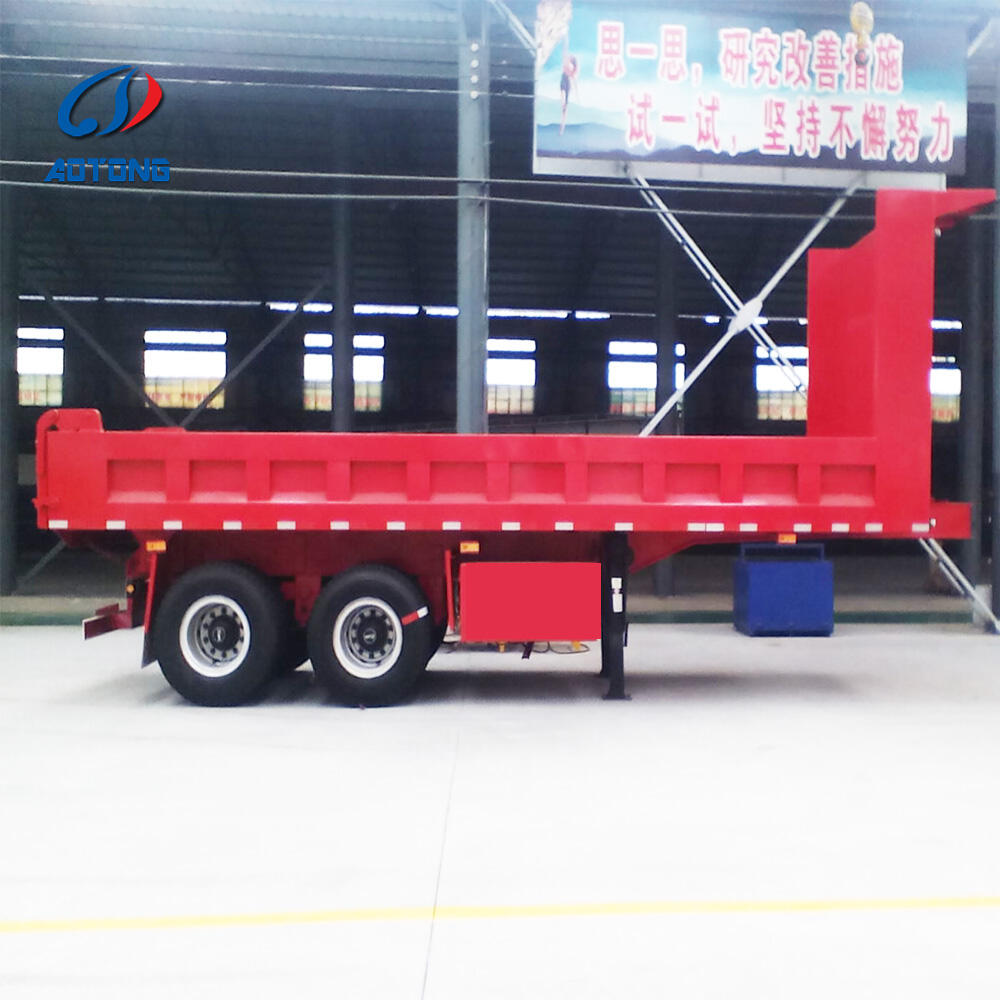
Dump Trailers in Pre-Construction: Site Prep and Excavation Support
Moving soil, fill, and aggregate during grading and excavation
Dump trailers really speed things up during earthwork projects when moving large amounts of soil, fill dirt, and aggregates around the job site for grading and excavation work. The big advantage comes from those hydraulic dump systems that let operators unload materials quickly and accurately right where they need it, no manual labor required. According to a recent study on earthmoving efficiency from 2023, this saves about 30% of the labor time compared to older methods. What makes these trailers so valuable is how they keep equipment running instead of sitting idle while waiting for unloading. Plus, the controlled dumping helps maintain proper elevation levels throughout the site, which means foundations get ready faster overall. Contractors love this because it cuts down on delays and keeps projects on schedule.
Integrating dump trailers with excavators and loaders for continuous workflow
When dump trailers work together with loading gear like excavators and skid steers, the whole operation runs much smoother and gets more done in less time. Putting these trailers right next to where digging is happening means operators can load materials directly into them instead of having to move stuff twice. Getting the trailer sizes right makes all the difference too. Excavators stay busy working nonstop because they don't have to wait around for space to open up. And when we optimize how often these trailers move back and forth between loading spots and dump sites, it actually cuts down on traffic jams at construction sites by about 40 percent compared to old school methods. That kind of efficiency saves money and headaches for everyone involved.
Dump Trailers During Active Construction: Material Delivery and Debris Management
On-site transport of concrete, sand, gravel, and masonry materials
On job sites where things are moving fast, dump trailers act as those workhorse material haulers, shuttling concrete mix, sand piles, gravel loads, and brick stacks right from the supplier's truck straight to wherever they're needed on site. Getting materials exactly when workers need them cuts down on all that wasted time transferring stuff between containers and keeps the yard from turning into a junkyard of half-used bags and loose aggregate. Most standard trailers will hold around 14 tons of gravel, which means contractors can often fill an entire foundation trench for a commercial building in just one round trip instead of making several stops throughout the day. This kind of efficiency makes a world of difference when deadlines are tight and budgets are already stretched thin.
Real-time debris consolidation and removal between trades
The U.S. construction industry produces around 100 million tons of waste every year, so managing all that junk as it comes in makes a huge difference. Dump trailers help keep things organized right away because workers can load up scrap materials like old drywall pieces, packing boxes, or leftover framing parts whenever trades switch out at the site. Sorting stuff on site before taking it all away means less clutter building up where people actually need to move around and work safely. According to some recent studies looking at OSHA reports, sites that implement these kinds of waste management practices see about a 23% drop in safety incidents. Plus nobody wants to wait around for someone else to clean up after them when there's actual work to be done.
Dump Trailers in Post-Construction: Demolition Cleanup and Final Site Restoration
Rapid removal of demolition waste, drywall, and framing debris
Dump trailers really speed things up during demolition and cleanup work. The hydraulic system makes short work of all sorts of heavy stuff like broken concrete, bits of drywall, and wooden frames. According to Construction Efficiency Institute research from 2022, these trailers cut down manual labor by around 60% compared to old fashioned wheelbarrows. When materials get dumped directly into recycling bins or onto transfer trailers, it stops dangerous piles from forming. And we know why this matters OSHA reports show that such pileups cause about 23% of slip and fall accidents at construction sites. Just think about it one trailer alone can haul away approximately 14 cubic yards worth of mess within 15 minutes flat, which is huge when trying to meet those strict project deadlines for site closure.
Final grading, sodding, and landscaping material delivery
When it comes to restoring sites after construction, dump trailers really shine at getting landscaping materials where they need to go with remarkable accuracy. These machines can haul topsoil for leveling out areas, lay down sod rolls without crushing them, and spread gravel for proper drainage systems all thanks to those adjustable tilt features that keep the materials intact during transport. The ability to change how steeply the trailer dumps lets workers create precise soil mounds or evenly fill ditches, which cuts down on having to fix things later. According to a recent survey by the National Landscape Contractors Association, this actually saves time on about four out of five landscaping jobs. What's more, these versatile trucks handle everything from fragile young plants to large quantities of mulch, helping crews tackle tasks like preventing erosion, planting new vegetation, and improving visual appeal all while working smarter and faster than ever before.
Selecting the Right Dump Trailers for Construction Versatility
Getting the right dump trailer means matching specs to what's needed at different stages of work. First thing to check? Payload capacity needs to match what gets hauled regularly. Overloading can wreck the trailer and definitely runs afoul of those OSHA and FMCSA rules nobody wants to break. When picking materials, steel frames hold up better against rough stuff like broken concrete, but if the job involves wet soil or mulch, aluminum makes more sense since it won't rust away. Hydraulic systems matter a lot too. Dual ram setups give much better control when moving around bumpy ground compared to single ram models that tend to struggle. Tandem axles spread weight out nicely and help prevent tipping accidents when carrying debris uphill or over rough terrain. Don't forget about ground clearance either. Good tires that can handle anything from muddy pits to rocky surfaces keep things moving smoothly through excavation zones. Remote controls for hydraulics are a game changer for safety reasons, letting operators dump loads from somewhere actually safe instead of standing right next to them. And always double check warranty coverage for key parts like frames, axles, and hydraulics. A solid warranty means fewer surprises down the road and keeps equipment running through all phases of construction projects big and small.
FAQ Section
What is the primary advantage of using dump trailers during construction?
The primary advantage of using dump trailers during construction is their hydraulic dump systems, which allow quick and precise unloading without manual labor, thus saving time and keeping equipment operational.
How do dump trailers integrate with other construction equipment?
Dump trailers integrate with other construction equipment like excavators and loaders by allowing materials to be loaded directly without needing multiple handling, optimizing operations, and reducing on-site traffic jams.
How do dump trailers contribute to waste management on construction sites?
Dump trailers contribute to waste management by providing immediate loading and sorting of materials. This reduces clutter and safety incidents, allowing for organized waste management directly on-site.
What should be considered when selecting a dump trailer for construction?
When selecting a dump trailer, consider the payload capacity, material type (steel or aluminum), hydraulic systems, axle setup, ground clearance, and ensure there’s warranty coverage for vital components like frames, axles, and hydraulic systems.
Table of Contents
- Dump Trailers in Pre-Construction: Site Prep and Excavation Support
- Dump Trailers During Active Construction: Material Delivery and Debris Management
- Dump Trailers in Post-Construction: Demolition Cleanup and Final Site Restoration
- Selecting the Right Dump Trailers for Construction Versatility
- FAQ Section