 EN
EN

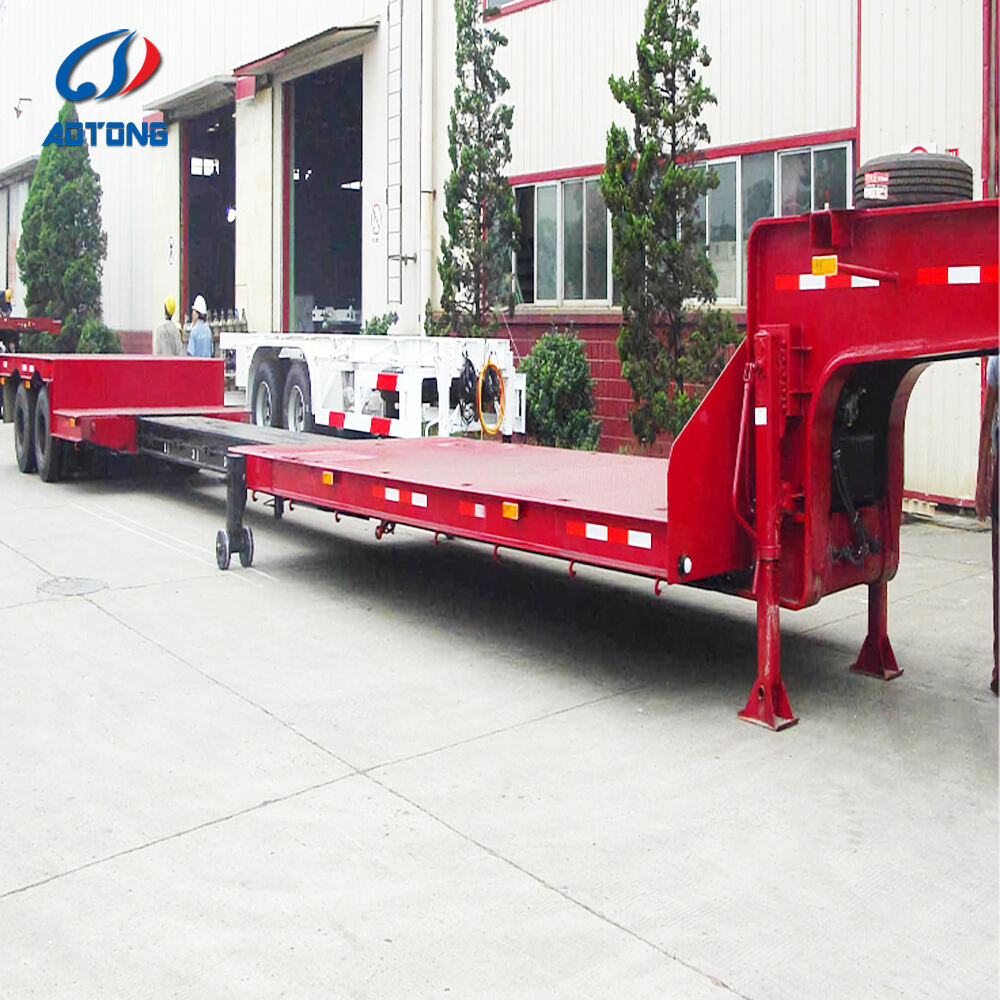
Tractor Trailer as the Backbone of U.S. Freight Movement
Dominance in Long-Haul Freight: 71% of U.S. Ton-Miles Depend on Tractor Trailers
Tractor trailers are basically the backbone of moving goods across state lines in the US, responsible for transporting well over two thirds of all freight ton miles each year. The ATA reports these rigs handle about 71 percent of domestic cargo when measured by weight distance, which beats out railroads, planes, and ships put together. What makes them so efficient? They go straight from point A to point B without needing to transfer loads at terminals or warehouses, cutting down on travel time by roughly 37% compared to other transportation methods that require multiple transfers. This advantage becomes really noticeable on longer hauls, say anything past 500 miles. Truckers can optimize their fuel usage because they don't have to stop as often, and the standardization of trailer sizes means they can pack more stuff into each load without wasting space.
| Factor | Advantage | Impact |
|---|---|---|
| Route Flexibility | Access to 4.1 million miles of U.S. roads | 98% population coverage |
| Load Capacity | Up to 80,000 lbs gross weight | 3x volume efficiency vs. box trucks |
| Network Integration | Seamless port/warehouse transfers | 15% lower handling costs |
The tractor trailer ecosystem supports just-in-time manufacturing and retail replenishment, with Class 8 trucks completing over 11 billion ton-miles daily. Declining empty-miles—down 9% since 2020—further demonstrate operational optimization across the $875 billion freight sector.
Enabling Cross-Border Efficiency: USMCA Corridors and 42% Throughput Growth Since 2018
Tractor trailers form the backbone of trade routes connecting the United States, Mexico, and Canada these days. According to numbers from the U.S. Department of Transportation, crossings at borders have jumped nearly 42% since 2018. Thanks to uniform trailer sizes and digital paperwork systems, goods often clear customs in under half an hour at big ports such as Laredo and Detroit. This speed really matters when moving fresh produce or car components that need fast delivery. The new USMCA trade deal has definitely boosted things along by getting safety rules aligned across borders and cutting down on unnecessary checks that slowed everything down before. Some of the main routes currently process:
- 74% of all agricultural exports
- 88% of automotive components
- 63% of electronics shipments
Real-time telematics synchronize dock schedules at distribution hubs, cutting dwell times by 26% while fifth-wheel compatibility allows rapid trailer swaps between domestic and international tractors. This interoperability positions tractor trailers as the linchpin of North America's $1.5 trillion annual trade ecosystem.
Operational Flexibility: How Tractor Trailer Modularity Drives Network Agility
Rapid Trailer Swaps: Sub-8-Minute Turnarounds at Major Distribution Hubs
At most major freight terminals across the country, swapping out trailers takes less than eight minutes thanks to improved operations protocols. The secret lies in those automated fifth wheel release mechanisms that let tractor units keep rolling while their trailers get loaded or unloaded. Freight companies are seeing real benefits from this approach too. Dock areas aren't getting backed up as much anymore, which means trucks spend about 37 percent less time idling around waiting for their turn compared to old fashioned straight truck setups. What makes all this possible? Standardized connection points between different kinds of trailers have made switching them out almost effortless. Drivers typically roll out of the yard just minutes after pulling in, keeping entire supply chains running smoother than ever before.
Fifth-Wheel Coupling and Cargo-Type Adaptability Across Schedules
The patented fifth-wheel coupling system enables rapid reconfiguration for diverse freight demands:
- Temperature-controlled: Switch to reefer trailers for perishables without tractor downtime
- Oversized loads: Connect flatbeds within 10 minutes for machinery transport
- High-volume: Swap empty dry vans for preloaded units during driver rest periods
This interoperability optimizes logistics operations, allowing single tractors to service 3–4 specialized trailers daily. Fleet telematics confirm 24% higher asset utilization versus dedicated units, while cargo-type flexibility reduces costly delays from mismatched equipment. The modular tractor trailer framework thus delivers unmatched operational resilience against volatile supply chain demands.
Tractor Trailer Efficiency Across Specialized Trailer Types
Specialized trailers optimize freight operations by matching cargo-specific requirements with efficiency-driven designs. Tailoring trailer configurations prevents logistical compromises like unnecessary fuel consumption or cargo damage.
Reefer Trailers Power 22% of Temperature-Controlled Food Logistics
Refrigerated units maintain precise temperatures for perishables, carrying 22% of all temperature-sensitive food shipments. Their advanced insulation and cooling systems enable safe transport of pharmaceuticals and produce across supply chains, reducing spoilage losses by up to 18% compared to standard trailers.
Dry Van Standardization Cuts Empty-Mile Rates by 14%
Standardized dimensions and universal docking compatibility make dry vans the backbone of general freight networks. Their interchangeability across fleets slashes empty-mile rates by 14%, enabling faster trailer swaps at distribution centers. Enhanced cargo protection systems further minimize damage rates for consumer goods and electronics.
Future-Proofing the Tractor Trailer: Sustainability and Innovation Trends
Fuel Intensity Paradox: Tractors Are 30% of Weight but Consume 68% of Fuel
Truckers running modern semi-trailer rigs are dealing with a major efficiency problem these days. Take a look at the numbers from the Department of Energy: the tractor part of these big rigs makes up just around 30% of the whole vehicle's weight but somehow burns through 68% of all the fuel used. That kind of imbalance in fuel consumption comes down to two main factors - air resistance dragging against the truck body and the heavy lifting required by the engine and transmission components when making those cross country trips. What this means is fleet managers across the country are scrambling to find ways to cut down on greenhouse gases without sacrificing how much cargo they can carry or how far their trucks can go between fill-ups.
Electrification, Aerodynamics, and Smart Telematics in Next-Gen Tractor Trailers
Three innovations are redefining sustainable freight transport:
- Electric powertrains, cutting lifecycle emissions by 62% compared to diesel
- Active aerodynamics, such as trailer side skirts, reducing drag by 15%
- AI-driven telematics, optimizing routes in real time to curb empty miles
These technologies collectively address both the fuel intensity paradox and broader sustainability targets. Fleet operators implementing such upgrades report 18-month ROI periods through reduced operational costs and regulatory compliance advantages.
FAQ
What are the main advantages of using tractor trailers for freight movement? Tractor trailers offer route flexibility with access to over 4.1 million miles of U.S. roads and provide the capacity to transport up to 80,000 lbs gross weight efficiently. They enable seamless port and warehouse transfers leading to lower handling costs.
How do tractor trailers improve cross-border trading efficiency? Tractor trailers with uniform sizes and digital systems streamline customs clearance processes, reducing total crossing times and facilitating the handling of agricultural, automotive, and electronics shipments effectively.
What innovations are enhancing the sustainability of tractor trailers? The use of electric powertrains, active aerodynamics, and AI-driven telematics are major innovations that are contributing to sustainability by reducing emissions, drag, and optimizing routes in real-time, leading to both environmental and operational benefits.