 EN
EN
Solving Height Restrictions: Oversized and Tall Cargo Transport
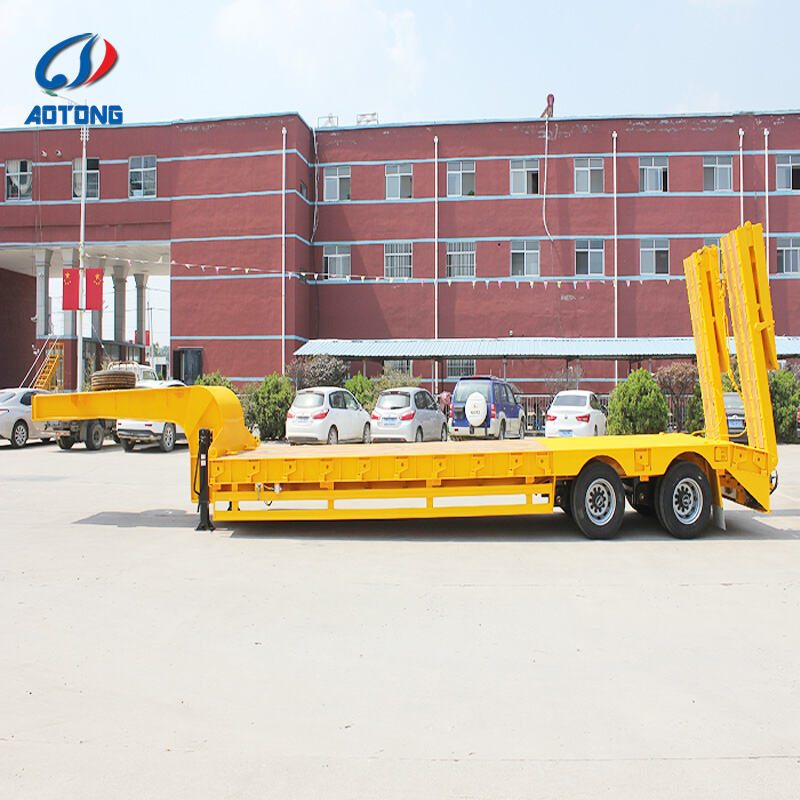
How the Drop Deck Trailer Design Eliminates Height Permit Dependencies
Drop deck trailers with their stepped deck setup actually tackle those pesky height issues during transportation because they lower where the cargo sits right around the middle part of the load. What this means is that really tall shipments don't stick out as much vertically, so they can pass under bridges and through tunnels without needing special permits. Think about it like trying to fit a couch through a doorway - if we can make the whole thing sit lower, there's no need for all those extra paperwork headaches. Truckers report saving anywhere from three to seven full days on planning each trip when using these trailers, plus they skip paying those annoying fees which typically run around seven hundred forty thousand dollars according to some industry research from last year.
Measurable Clearance Advantage: 24–36 Inches Lower Deck vs. Standard Flatbeds
Drop deck trailers give drivers around 24 to 36 extra inches of headroom compared to regular flatbed trucks. That makes all the difference when moving those big 14 foot tall machines through most parts of the country without needing special permission from transportation authorities. About 89 percent of US highways can handle these loads right off the bat. Another benefit comes from having a lower center of gravity. According to numbers from the Federal Highway Administration, this design change cuts down on cargo shifting accidents by roughly 40%. For haulers dealing with heavy machinery or oversized freight, that kind of stability is worth its weight in gold.
Case Study: Permit-Free Cross-State Haul of 14-Foot Wind Turbine Components
The latest wind farm setup in the Midwest showed just how much time and money can be saved by switching to drop deck trailers for those really big parts. They moved turbine nacelles that stood around 14 feet high all the way from South Dakota across to Iowa without needing any special height permits. Normally this same route would require getting 17 different permits if regular trailers were used instead. For each shipment, companies ended up saving about 22 hours worth of paperwork and nearly $18k in fees. Plus, they still managed to hit their delivery deadlines almost all the time, with only 1 out of every 100 shipments running late.
Heavy Machinery Hauling for Construction and Agriculture
Why Excavators, Tractors, and Compact Loaders Load More Safely on a Drop Deck Trailer
Transporting heavy machinery gets much safer with drop deck trailers, especially for construction gear and farm equipment such as excavators, tractors, those little compact loaders we all know and love. These trailers sit about 12 to 18 inches lower than regular flatbeds, which actually makes things steadier while moving around. The lower position means machines can roll right on board without needing those awkward steep ramps, cutting down on the risk of tipping over completely. Plus there's this clever gooseneck setup at the front that spreads out the weight better across the whole trailer frame. Most haulers swear by it because they can really tighten everything down with special chains and winching systems that just work so much better than what's possible on standard rigs. According to some government transportation data from the US DOT, these trailers cut down on cargo shifting problems by roughly two thirds compared to older models still in service today.
Industry Validation: 68% of Rental Fleet Operators Rely on Drop Deck Trailers for Equipment Delivery (2023 ARA Data)
Most rental companies have caught on to the benefits of drop deck trailers. According to the American Rental Association from 2023, around two thirds of all rental fleets actually use these trailers when delivering equipment. Why? Well, they just work better in practice. Loading wheeled machinery takes less time at actual job sites, and these trailers play nice with all sorts of different attachments too. Take farming operations as an example. When moving those big agricultural harvesters across fields, special stabilizers are needed because the ground isn't always flat. That happens all the time in farm country where roads aren't paved. Plus, the lower deck height makes a real difference when working near bridges in city construction zones. Getting stuck underneath a bridge would be a nightmare nobody wants.
Cross-Industry Versatility: From Building Materials to Industrial Equipment
Drop deck trailers work great across many different industries, moving everything from construction stuff like steel beams and lumber to heavy industrial gear such as generators and those fancy CNC machines. The reason they're so versatile? Their lower center of gravity sits around 12 to 24 inches below regular flatbeds. This makes it possible to haul taller, wobblier cargo without needing special height permits that can slow things down on the road. Most other specialized equipment needs its own fleet just for specific jobs, but drop decks get the job done for multiple purposes without all that extra hassle.
- Prefabricated building sections exceeding 10-foot heights
- Fragile glass panels for commercial installations
- Sensitive manufacturing equipment requiring vibration-dampened transport
- Pipe assemblies for infrastructure projects
The unified design allows logistics teams to deploy a single trailer type across job sites, manufacturing plants, and distribution centers—eliminating the costs and delays of equipment swaps. This operational flexibility makes drop deck trailers indispensable for contractors and freight companies managing diverse cargo portfolios.
Strategic Logistics Advantages in High-Demand Sectors
Faster Deployment: Reduced Loading/Unloading Time for Low-Clearance Equipment
Drop deck trailers have much lower decks which makes getting equipment onto them way faster for industries where timing matters most, think disaster recovery work or building new infrastructure. Regular flatbed trucks are a headache when dealing with machines that barely clear the ground like small excavators or big generators. These standard beds need all sorts of ramps set up just right so nothing gets damaged underneath while loading. But with drop decks, the lower height means ramps aren't so steep anymore. Operators can literally roll their gear on and off within minutes instead of spending precious hours wrestling with complicated setups. No more needing expensive cranes or special lifting equipment either, which cuts down costs and delays across the board.
- 30–50% faster turnarounds at job sites
- Reduced labor costs for loading teams
- Minimized equipment downtime during transport transitions
This operational efficiency is particularly critical in high-demand fields where rapid mobilization directly impacts project timelines and contractual obligations. The cumulative time saved per load cycle positions drop deck trailers as indispensable tools for logistics planners prioritizing velocity in critical supply chains.
FAQ Section
What are drop deck trailers?
Drop deck trailers are specialized trailers with a lowered deck to facilitate the transportation of oversized cargo, reducing the need for height permits.
How much headroom do drop deck trailers provide compared to regular flatbeds?
Drop deck trailers offer about 24 to 36 inches of extra headroom compared to standard flatbed trucks.
Why are drop deck trailers preferred for moving heavy machinery?
Drop deck trailers offer a lower deck, which improves stability during transport and allows for easier loading and unloading of heavy machinery.
What is the industry validation for drop deck usage?
According to 2023 ARA Data, 68% of rental fleet operators rely on drop deck trailers for equipment delivery due to their practicality.
How do drop deck trailers provide cross-industry versatility?
Their lower center of gravity enhances transport efficiency for various types of cargo, removing the need for special height permits.