 EN
EN

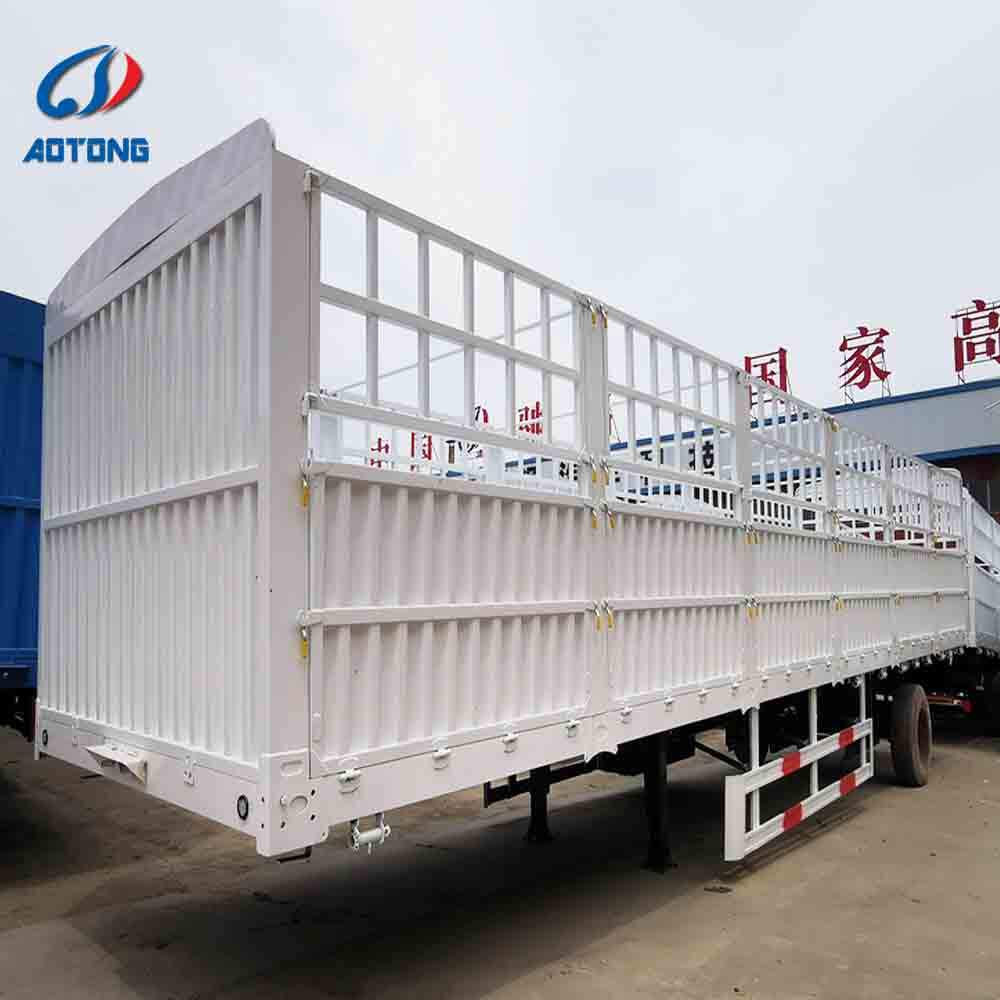
Core Fencing Types for Fence Trailers: Structural, Adjustable, and Modular
When it comes to fence trailers, the design really focuses on creating fencing setups that keep cargo secure but still let operators work efficiently. The main structural part usually consists of strong galvanized steel or aluminum posts that can take a beating. These posts are what makes the whole thing hold up against heavy stuff like animals or building supplies without getting bent out of shape during transport. Then there's the adjustable fencing component which lets workers quickly change things around using telescoping poles or those pin lock systems. Someone can adjust panel heights pretty fast when they need to switch from carrying horses to something else like hay bales for instance. Modular fencing takes this a step further with panels that connect without needing tools, so folks can customize how everything fits together depending on what they need to haul. This kind of setup actually saves money on repairs too. Looking at numbers from the agricultural sector, these modular systems cut down loading times by about 30% compared to older fixed designs. So basically, having sturdy structures, adaptable adjustments, and flexible modules covers most of what people need for running fence trailers safely and getting the job done without wasting time.
Material Selection for Fence Trailer Fencing: Aluminum, Galvanized Steel, and Hybrid Composites
Corrosion Resistance and Weight Trade-offs in Long-Haul Applications
What material gets chosen makes a big difference in how long something lasts and what it costs overall. Aluminum stands out because it doesn't rust easily, which is great for places that get damp or near the ocean. Plus aluminum is about thirty percent lighter than steel, so vehicles use less fuel when carrying it around. Galvanized steel has its advantages too though. It's stronger when pulled apart and cheaper at first glance, but comes with heavier payloads. When exposed to lots of salt air, mixing different materials can really speed up deterioration sometimes by as much as forty percent. That's why matching materials to their environment matters so much in real world applications.
High-Tensile Polymer Mesh and Steel-Mesh Hybrids in Modern Fence Trailer Designs
High end construction projects are increasingly going for these hybrid materials lately, particularly ones where steel mesh gets wrapped in polymer coatings. What this does is basically take the best parts of galvanized steel (super strong) and mix them with what polymers offer too (won't rust plus absorbs impacts better). Just using pure high tensile polymer mesh alone can make things about half as heavy compared to regular steel, but still keeps everything contained properly. The real game changer here comes when looking at those strength to weight numbers, which matter a lot for stuff that needs special handling. Think about transporting live animals or delicate machinery that gets messed up by vibrations during transit. These new composite materials really shine in those situations.
Height Adjustment Systems in Fence Trailers: Fixed vs. On-Site Configurable Solutions
Fixed-Height Frames for Maximized Payload Efficiency and Structural Simplicity
Fixed-height systems eliminate moving parts, reducing weight by 15%–20% and enhancing rigidity–critical for highway-speed livestock transport where dynamic forces exceed 2G. With no adjustment mechanisms to maintain, they require 30% fewer annual repairs and deliver superior payload-to-weight efficiency for consistent hauling profiles.
Hydraulic and Pin-Lock Adjustable Mechanisms for Versatile Livestock or Material Handling
With hydraulic systems, one person can change the height in less than 90 seconds, which makes all the difference when moving between animals that need different fence heights. Sheep typically require around 1.2 meters while cattle need at least 1.5 meters or more. The pin lock options are pretty solid too, using grade 80 steel parts that should last through over 10 thousand adjustments without needing electricity. What's great is that these systems work across multiple animal types and materials within the same equipment, so farmers don't have to maintain separate tools for each application. This versatility cuts down on overall equipment costs and storage space.
Modularity and Operational Efficiency: Removable Panels and Quick-Release Fencing
Today's fence trailers really boost productivity thanks to their removable panels and quick release systems which let workers completely reconfigure everything in just minutes, no tools needed at all. The integrated latches or push lock mechanisms speed things up quite a bit compared to old school bolted systems, saving roughly 40% on loading and unloading time according to field tests. This kind of flexibility makes life easier during different seasons when switching between big hay bales and smaller livestock enclosures becomes necessary without having to modify the trailer itself. Plus, the lightweight composite materials make these trailers much easier to handle day to day while still holding up against regular wear and tear from farm work.
FAQ
What are the benefits of modular fencing systems in fence trailers?
Modular fencing systems allow quick customization without tools, making the setup adaptable for different hauling needs and cutting down loading times by about 30% compared to fixed designs. They help save money on repairs as well.
Why is aluminum preferred in certain applications?
Aluminum is chosen because it resists corrosion and is 30% lighter than steel, reducing fuel consumption in transport. It's ideal for humid or coastal environments.
How do hydraulic height adjustment systems work?
Hydraulic systems allow one-person height adjustments in less than 90 seconds, which is beneficial for handling different livestock needs swiftly. They are versatile across multiple applications.
What makes steel-mesh hybrids valuable?
Steel-mesh hybrids combine the strength of steel with the impact absorption and corrosion resistance of polymers, offering lighter weight and robustness, important for transporting delicate machinery or live animals.
Table of Contents
- Core Fencing Types for Fence Trailers: Structural, Adjustable, and Modular
- Material Selection for Fence Trailer Fencing: Aluminum, Galvanized Steel, and Hybrid Composites
- Height Adjustment Systems in Fence Trailers: Fixed vs. On-Site Configurable Solutions
- Modularity and Operational Efficiency: Removable Panels and Quick-Release Fencing
- FAQ