 EN
EN

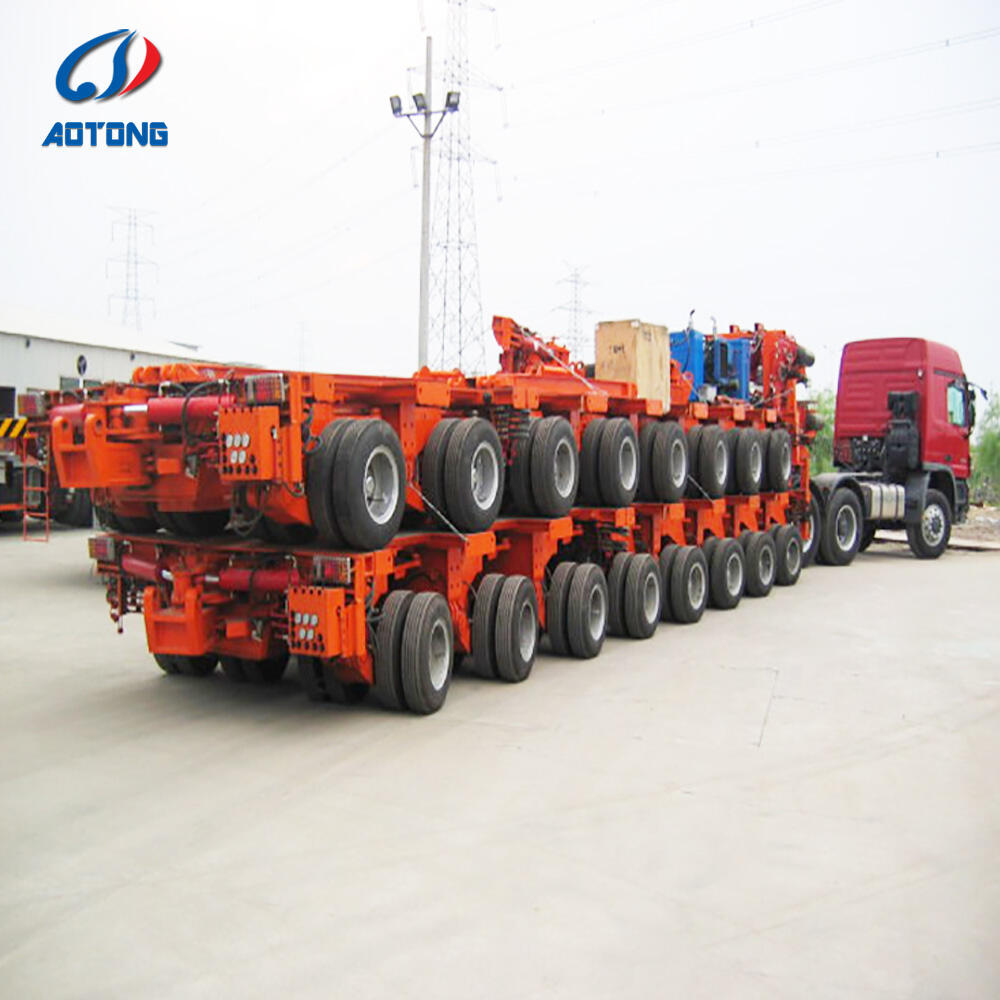
Truck Trailer Types and Their Impact on Cargo Capacity and Handling Efficiency
Flatbed, Reefer, and Tanker Trailers: Matching Design to Cargo Requirements and Throughput Needs
Choosing the proper truck trailer isn't just important but actually makes or breaks supply chain operations. Take flatbed trailers for instance they offer this great open space needed for big or weird shaped stuff like those massive wind turbine blades. When using cranes to load these items, companies report saving about 30 minutes per shipment according to Logistics Quarterly from last year. Then there's the refrigerated units which keep things at exact temperatures ranging from minus 20 degrees all the way up to 70 degrees Fahrenheit. This matters a lot when transporting fresh produce or medicines. The newer models with two separate temperature zones have helped hospitals get their sensitive medical supplies delivered on schedule around 97 out of 100 times. And let's not forget tankers designed specifically for liquids. These have special baffles inside that stop fuel from moving around too much during transit. Some versions are easier to clean for food products, while others come with multiple compartments so different chemicals don't mix together. This setup saves roughly a quarter of an hour during unloading compared to older designs.
Capacity directly affects trip frequency and cost. High-capacity tankers (6,500–11,600 gallons) replace 3–5 standard loads per run. Meanwhile, mismatched trailer selection contributes to $280k in annual damage claims per fleet (FMCSA 2023) – a preventable loss when cargo requirements drive equipment choice.
Semi-Trailers vs. Full Trailers: Structural Implications for Loading Speed and Damage Prevention
The way trailers are built really affects how fast things get done and keeps cargo safe during transport. Take semi-trailers for instance. These have those pivoting front axles plus good ground clearance which lets them turn around tighter spaces at docks. This means trucks spend about 18 minutes less hanging around each loading area. The design also makes sense for quick turnaround operations where drivers just drop off one load and hook up another right away. Plus those big roll-up doors on the back slash loading times by roughly 40%, making all the difference when shipping perishables or other time critical goods. Still worth noting though, these trailers require pretty careful balancing of weights across the frame to prevent dangerous rollover situations down the road.
Full trailers – featuring fixed axles and rigid chassis – deliver superior stability for fragile, high-value goods like electronics, cutting in-transit damage by 34% (NHTSA 2024). They also offer 7% greater cubic capacity for low-density freight such as packaging materials and lower tire blowout risk on long-haul routes.
Strategic assignment of each type reduces dwell time by 25% and cargo claims by $147k annually per carrier (PwC 2023).
Truck Trailer Utilization and Its Effect on Supply Chain Throughput
Reducing Dwell Time: How Optimized Trailer Assignment Accelerates Port-to-Facility Handoffs
The time trucks spend sitting around while they load or unload stuff is really slowing down how fast things move through the supply chain. Getting the right trailer assigned before these big rigs even arrive makes all the difference. Produce needs refrigerated trailers, machinery goes on flatbeds, and liquids require tankers. This simple matching game stops confusion at the terminal gates and keeps those docks from getting backed up. Throw in some real time GPS tracking and suddenly we can send cargo somewhere else when one spot gets too crowded. The ports that have started doing this kind of thing are seeing their handoff times drop by anywhere from 30 to almost half. What does that mean? More containers moving through, fewer trucks just sitting there burning fuel, and companies saving money without having to spend extra cash on new equipment.
Last-Mile Velocity: Trailer Versatility and Unloading Efficiency in Urban Delivery Networks
When it comes to getting packages delivered in cities, trailer size matters less than how nimble they can be. Modern trucks come equipped with things like roll up side doors, hydraulics for lifting heavy boxes, and interiors that can be rearranged on the fly. All these make it possible to unload goods quickly even when there's no proper dock space available in crowded shopping areas. According to some research in urban logistics, such setups cut down stopping time at each location by around 15 to 25 percent. And smaller trailers that fit better through traffic actually manage to deliver more items per run too. What does this mean? Packages reach customers sooner, trucks burn less gas for every item transported, and streets aren't clogged as much with delivery vehicles waiting their turn. Plus, nothing gets damaged during transit and the truck still carries plenty of cargo.
Truck Trailer Selection as a Strategic Enabler of Route Optimization and Regulatory Compliance
Navigating Constraints: Axle Weight Limits, Bridge Clearances, and Regional Truck Trailer Regulations
Choosing the right truck trailer goes beyond what fits inside the cargo space. Compliance matters too, and getting this wrong can lead to serious problems down the road. When trucks go over those axle weight limits, which usually range from around 12,000 to 20,000 pounds each, drivers face steep penalties that can top $15k. Plus, all that extra weight really takes a toll on roads and bridges over time. Then there's the issue of trailer height. If something's off by even a few inches, we've seen plenty of instances where trailers hit bridges, causing major headaches for everyone involved including expensive repair bills. And let's not forget about regional regulations that make things even trickier. Take California for instance, they have strict rules limiting trailers to just 48 feet long. Meanwhile across in Texas, operators can legally run much longer units at up to 59 feet. These differences create challenges for companies operating nationwide without proper planning.
Proactive planning prevents these pitfalls. Logistics teams must:
- Calculate gross vehicle weight (GVW) using tare weight + cargo metrics
- Validate vertical clearances against DOT bridge databases
- Cross-check state-specific dimensional mandates before dispatch
This discipline avoids 34% of compliance-related delays (FMCSA 2023) and maximizes legal cargo density per trip.
Truck Trailers in Modal Integration: Standardization and Intermodal Supply Chain Stability
Having standardized truck trailers really matters when it comes to building strong, fast moving intermodal transportation systems. When trailers meet ISO standards for size, they fit better on ships, trains, and trucks which saves time during transfers. Some studies suggest this can cut down transfer times by around 40 percent compared to older, non-standard equipment. The same size everywhere means no messing around with adjustments at rail yards. This lets cargo be stacked two high quickly and keeps things secured properly no matter what transport method is used. All this compatibility reduces damage from mishandling and makes the whole system react faster when problems pop up at ports or when there aren't enough containers available.
As global supply chains grow more integrated, trailer standardization supports just-in-time manufacturing, reduces inventory buffers, and improves carbon efficiency through optimized modal splits – making it a strategic lever, not just a logistical detail.
FAQ
What are the key differences between flatbed, reefer, and tanker trailers?
Flatbed trailers offer open spaces for large, irregular loads like wind turbine blades. Refrigerated trailers (reefers) maintain specific temperatures for perishables and medicines. Tanker trailers are specialized for liquids, featuring baffles to prevent sloshing and sometimes multiple compartments for different chemicals.
How do semi-trailers and full trailers impact loading speed and cargo safety?
Semi-trailers, with pivoting axles, enable tighter turns and faster dock maneuvers, which speeds up loading times. Full trailers provide greater stability, particularly for fragile goods, and reduce in-transit damage by structuring the load more securely.
Why is trailer standardization important in intermodal supply chains?
Standardized trailers facilitate smooth transfers between different transportation modes by adhering to ISO size standards, thereby reducing transfer times, minimizing damage risk, and enhancing overall supply chain efficiency.
Table of Contents
- Truck Trailer Types and Their Impact on Cargo Capacity and Handling Efficiency
- Truck Trailer Utilization and Its Effect on Supply Chain Throughput
- Truck Trailer Selection as a Strategic Enabler of Route Optimization and Regulatory Compliance
- Truck Trailers in Modal Integration: Standardization and Intermodal Supply Chain Stability
- FAQ