 EN
EN

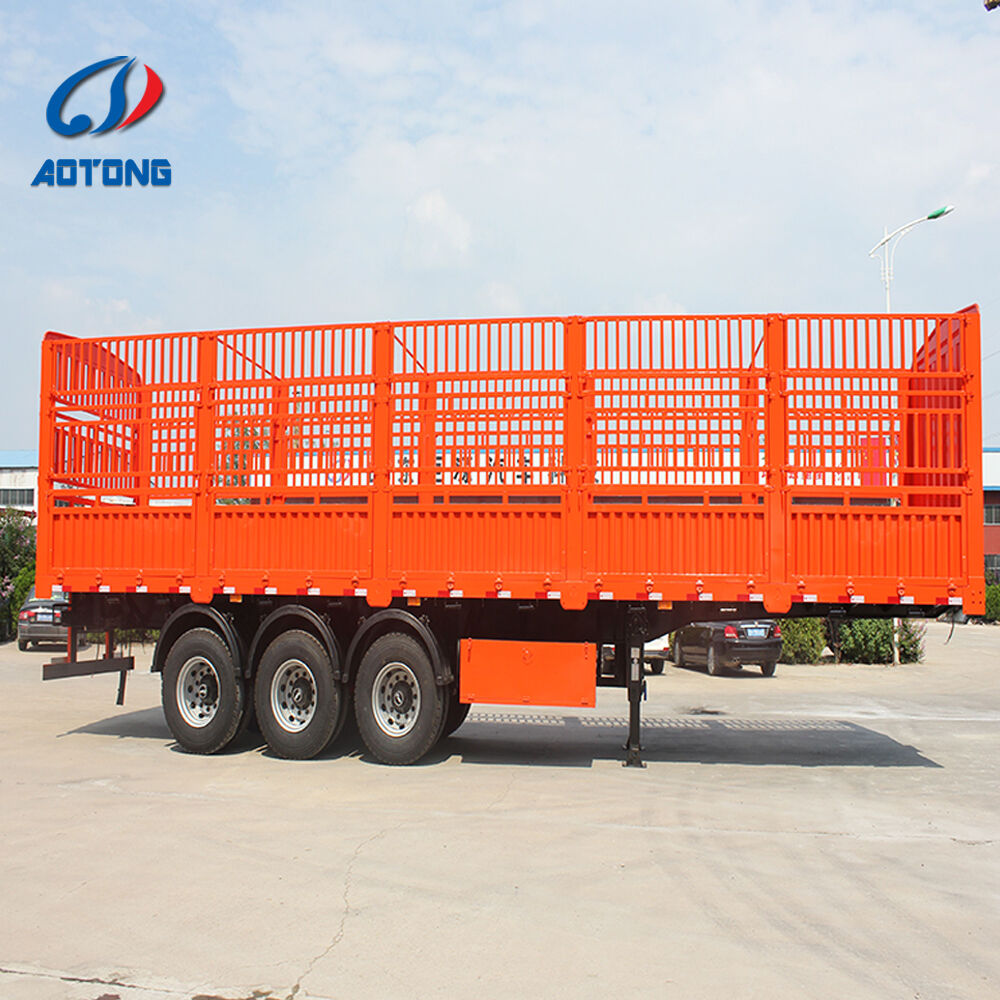
Boost Hauling Efficiency for Fencing Projects
Time and Labor Savings in Rural and Agricultural Operations
Fence trailers cut down on all the backbreaking work that fencing crews typically deal with day after day. When everything from fence posts to hardware gets transported together in one spot, workers don't have to keep loading and unloading multiple times throughout the job site. We've seen some farms save nearly half their labor costs on big rural jobs because of this setup. The real game changer comes when working in those tough spots nobody wants to tackle - think steep hillsides or muddy fields where regular trucks just struggle to get around. With extra time on hand, crews can focus more on getting installations right, double check measurements during surveys, and actually catch mistakes before they become problems instead of rushing through tasks until someone's too tired to see straight anymore.
How Integrated Load-Bearing Design Eliminates Multiple Trips
Fence trailers built for the job come with tough frames and sturdy axles that handle those tricky heavy loads nobody else wants to deal with rolled wire mesh, T-posts, and all sorts of pre-made panels. These aren't your run-of-the-mill utility trailers. The way they're constructed spreads out the weight so everything stays balanced during transport. What does this mean? Instead of making three or four trips back and forth for one project, contractors can get everything done in just one haul. And because these trailers are so solid, materials don't shift around while on the road. Less shifting means fewer damaged goods and surprisingly enough, it actually cuts down on fuel consumption too when compared to multiple shorter trips.
| Transport Factor | Traditional Method | Fence Trailer Solution |
|---|---|---|
| Avg. Trips per Project | 4–5 | 1 |
| Material Damage Rate | High (15–20%) | Low (<5%) |
| Fuel Consumption | 30–40 liters | 8–12 liters |
Fewer trips mean reduced vehicle deployments, lower emissions, and less road wear–particularly beneficial for contractors serving dispersed farms or ecologically sensitive conservation areas.
Maximize Versatility Across Farm, Landscaping, and Construction Work
Real-World Applications Beyond Fencing: From Irrigation Pipes to Timber
The flexible nature of fence trailers goes way beyond just carrying fence posts and panels. With adjustable side rails and a sturdy non-slip surface, these trailers handle irrigation pipes really well when moving them over rough farm terrain. This helps avoid those expensive kinks and dents that can happen during transport. Landscape professionals find they can load all sorts of bulk materials onto one trailer too. Timber stacks, bags of stone, wheelbarrows full of mulch, even bricks and pavers fit nicely without needing extra equipment. Construction crews appreciate how these trailers work for their needs as well. They carry PVC conduits, pieces of scaffolding, and pre-formed beams without any hassle. No modifications needed at all makes job sites much cleaner and more efficient.
This versatility supports seamless transitions between core and ancillary tasks, such as:
- Delivering seasonal agricultural supplies (e.g., feed bales, seed bags)
- Moving hardscape elements like retaining wall blocks or decorative stone
- Transporting maintenance gear–including generators, power tools, and safety equipment–to remote job sites
According to the 2023 AgTech Review, mixed-material transport using adaptable trailers yields a 37% productivity gain over conventional hauling methods–driving faster task completion and consistent payload protection.
Reduce Operational Costs with a Single-Purpose, Multi-Use Fence Trailer
Eliminating Equipment Redundancy and Rental Overhead
Fence trailers designed specifically for this job combine several different hauling tasks into one single unit, so there's no longer a need for separate trailers just for moving irrigation lines, logs, or electrical conduits around. For construction companies and landscaping businesses alike, this means they don't have to spend extra money on specialized equipment or keep paying for temporary rentals month after month. The math adds up pretty well too many contractors report saving roughly 30 percent when it comes to their overall equipment expenses. Plus, having everything consolidated makes things run smoother day to day. Less time is wasted on maintenance checks, warehouse space isn't eaten up storing multiple units, and workers aren't constantly switching back and forth between different pieces of machinery trying to get the job done.
| Cost Reduction Factor | Impact |
|---|---|
| Equipment Purchases | Avoids multiple trailer investments |
| Rental Fees | Eliminates short-term rental contracts |
| Maintenance | Lowers upkeep for a consolidated fleet |
| Storage | Reduces required yard/warehouse space |
| Labor | Cuts time spent switching equipment |
By optimizing fleet utilization without compromising capacity or safety, businesses improve project margins and achieve sustainable cost control.
Improve Safety and Material Integrity During Transport
Good fence trailers make a real difference when it comes to keeping workers safe at job sites and also ensuring materials stay secure during transport on highways. Most modern designs include those special tie down points placed just right across the trailer bed. These help stop fencing materials from shifting around while driving, which can actually lead to accidents. According to some recent numbers from the US Department of Transportation in their 2024 report on commercial vehicle safety, about one third of all construction related highway incidents involve cargo movement problems. The stronger side rails and protective bed linings found on quality trailers do more than just look good too. They protect expensive fencing posts, panels, and coiled wires from getting scratched or damaged during transit. This means fewer injuries happen when loading and unloading, plus companies save money because they don't have to replace as many broken parts over time.
Rigorous adherence to ASME B30.7 and OSHA 1926.601 standards ensures vibration-dampening performance across rough terrain–preserving structural integrity for sensitive materials like composite panels or pre-galvanized steel. The result is fewer job-site delays, lower insurance exposure, and stronger protection against dual risks: personnel injury and financial loss from compromised inventory.
FAQ
What benefits do fence trailers offer over traditional hauling methods?
Fence trailers reduce labor costs by consolidating trips, lower the risk of material damage, save fuel, and decrease emissions.
How do fence trailers enhance safety during transport?
They include special tie down points and strong side rails that prevent loads from shifting, thus minimizing the risk of accidents.
Can fence trailers be used for purposes other than fencing?
Yes, they can transport irrigation pipes, landscaping materials, and various construction equipment, providing versatile utility.
How does the use of fence trailers reduce operational costs?
They eliminate the need for multiple trailers and equipment rentals, thereby reducing equipment purchases, maintenance, and storage costs.