 EN
EN
The Growing Need for Reliable Livestock Containment Solutions
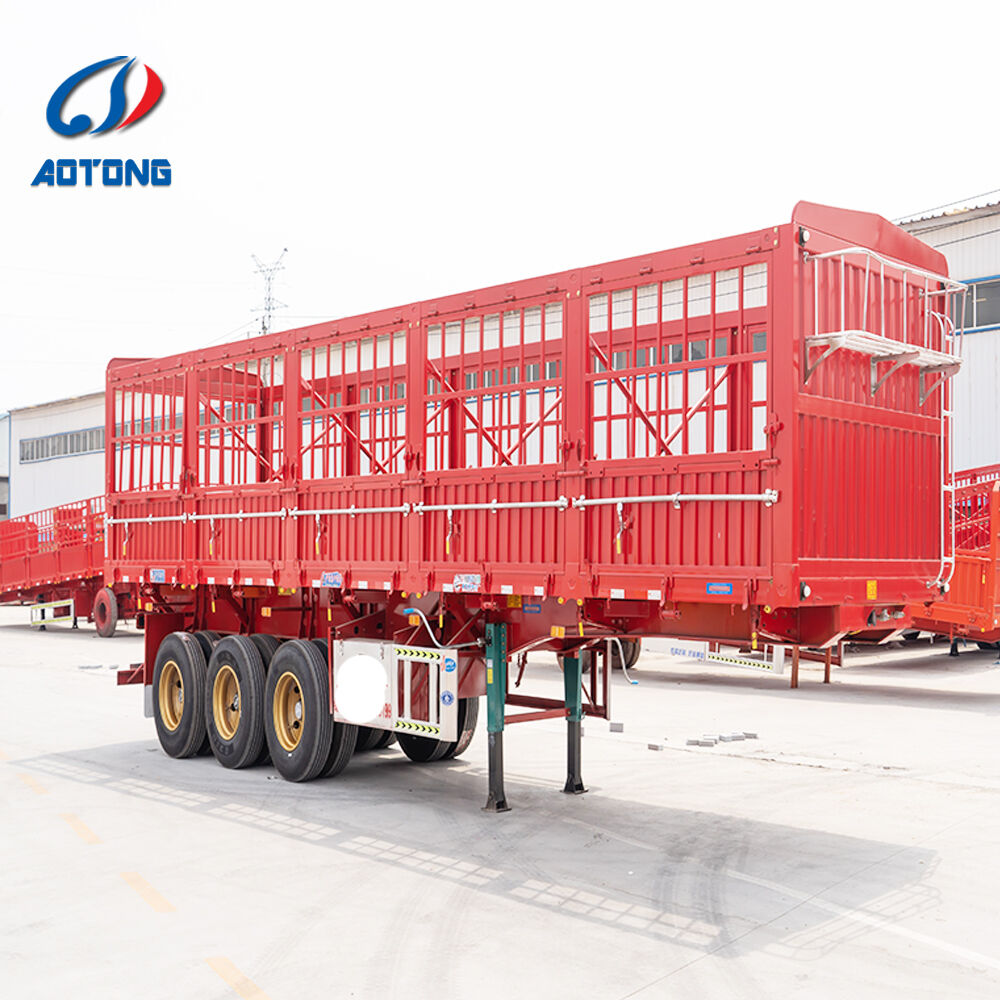
The growing worldwide appetite for meat and dairy has pushed farmers to grow their herds and expand pastures, which puts extra strain on regular fencing systems. Traditional fixed fences just don't work well with rotational grazing practices that help regenerate grasslands. Plus, setting up these fences takes so much time and effort that it pulls workers away from other important farm tasks. When animals break out, the costs pile up fast. One escaped cow or bull can lead to thousands in damages from injured livestock, damaged crops, and potential lawsuits, based on what many ranchers have reported. That's why farmers really need fencing options that adapt to different landscapes throughout the year. Portable fencing equipment fills this gap by letting ranchers quickly set up strong barriers wherever the herd moves next. The fence trailer stands out among these tools as a rolling workshop for moving and erecting various types of fencing materials including high tension electric wires, woven mesh, and temporary plastic panels. Using these trailers cuts down installation time dramatically compared to doing everything by hand, sometimes saving around two thirds of the usual setup period. This kind of flexibility helps manage herds in a way that protects both the land and the bottom line when animals stay where they're supposed to be.
How a Fence Trailer Solves Core Farming Challenges
Enabling Efficient Rotational Grazing and Pasture Flexibility
Rotational grazing needs regular subdivision of pastures, but old school fencing just doesn't cut it when managing herds that move around so much. Enter the fence trailer solution. With one of these, farmers can set up new paddocks within minutes rather than spending all day on it, which gives them much better control over how long animals graze in each area and how hard they're eating the vegetation. The result? Less damage to soils where cows tend to congregate and more balanced consumption across the entire field. Getting rotations right keeps grass at good heights too, something really important for healthy roots below ground and capturing carbon naturally. According to studies done by folks at USDA's NRCS, pastures managed through proper rotation techniques produce about 30% more overall than those left alone continuously. That makes sense why more ranchers are investing in fence trailers as part of their efforts toward greener farming practices.
Reducing Labor, Installation Time, and Long-Term Maintenance Costs
Building fences manually takes anywhere from 3 to 5 hours for each acre and needs several people working together at the same time. This becomes a big problem when there's already a shortage of farm labor available. Specialized fence trailers have changed things completely though. These machines cut down installation time by around 70 percent thanks to their built-in spooling systems and wheels that actually dig into the ground instead of requiring someone to dig holes by hand. What used to take three workers can now be done by just one person operating the trailer. Farmers tell us this makes a huge difference in terms of worker safety too since nobody has to bend over all day long anymore. The money saved over time comes from using tough materials like hot dip galvanized steel frames that hold up against whatever weather comes along. We see fewer repairs needed because these frames last so much longer. And according to some recent research from the Ponemon Institute in their 2023 look at agricultural tech efficiencies, farmers save about $740 every year on maintenance costs for each mile of fence installed this way, plus the fences themselves last significantly longer than traditional methods.
Key Features That Define a High-Performance Fence Trailer
Structural Integrity: Frame Strength, Towing Stability, and Weather Resistance
The foundation of any good fence trailer lies in how solidly built it is. Most quality models use heavy duty 12 gauge steel frames that can handle rough roads and constant loading without bending out of shape. When it comes to towing, manufacturers focus on getting the axles positioned just right so the trailer doesn't sway all over the road while being pulled. They also design them with a lower center of gravity which makes a big difference in stability during transportation. For protection against the elements, look for trailers treated with hot dip galvanization and equipped with sealed bearings. These features stand up to rain, mud, and even harsh chemicals commonly found on farms. According to research published by ASABE, trailers built to these standards see around 60 percent fewer structural problems compared to those that don't meet these requirements. That means farmers spend less money replacing damaged equipment and have fewer interruptions when working in the field.
Material Compatibility: Supporting Woven Wire, High-Tensile Electric, and Temporary Poly Options
The best fence trailers are all about being able to do different things. They come with adjustable spools that work great for handling those stiff woven wires. There's also these special tensioners that keep control over how much force comes back from high tensile electric fences. And let's not forget the quick release mechanisms which make it super easy to get polywire or polytape reels out there in just over a minute or so. Most models have standard mounting brackets now, so they fit with almost any commercial fencing material on the market today. This means farmers don't need extra gear when moving from setting up long term boundaries around their property to creating temporary paddocks for livestock. The difference this makes is actually pretty significant. According to recent studies, operations that switch to these versatile trailers see pasture rotation speeds jump by about 35%, as found in last year's AgriTech Efficiency Report.
Real-World Impact: Proven Results from Progressive Livestock Operations
Livestock farms that switch to mobile containment systems tend to see pretty impressive changes over time. Pasture rotations speed up by around 30 to 50 percent, which cuts down on labor needs by roughly 2 to 3 hours for every acre worked. This means farmers can move their herds more often and strategically across fields, making better use of available forage while giving grasslands time to recover naturally. The secure nature of these systems also makes a big difference in keeping animals safe from escaping or falling victim to predators. According to research from several states published in the Journal of Animal Science, cattle raised under regular rotation schemes actually gain weight faster, showing improvements between 15 and 20 percent daily. Strong construction materials make all these benefits last longer too. Ranchers working in harsh weather conditions report seeing about 70 percent fewer broken fences each year when they invest in quality equipment that meets industry standards. All told, better animal care, smarter land management, and stronger infrastructure explain why many progressive farmers now view mobile fencing as essential rather than optional if they want to maintain both sustainability and profit margins in the long run.
FAQ
Why is rotational grazing preferable to continuous grazing?
Rotational grazing is preferable as it helps in regenerating grasslands, maintaining soil health, and increasing pasture productivity by approximately 30% compared to continuous grazing as observed in USDA studies.
How does a fence trailer reduce labor costs?
A fence trailer minimizes labor costs as it allows the setup of new pastures quickly through mechanized spooling systems, reducing the need for multiple workers. It turns a multi-person task into a one-person operation, enhancing safety and efficiency.
What materials ensure a high-performance fence trailer?
Quality fence trailers are constructed using heavy-duty 12 gauge steel frames for durability and are treated with hot dip galvanization for weather resistance. Adjustable spools accommodate various fencing materials such as woven wire, high-tensile electric, and temporary poly options.