 EN
EN

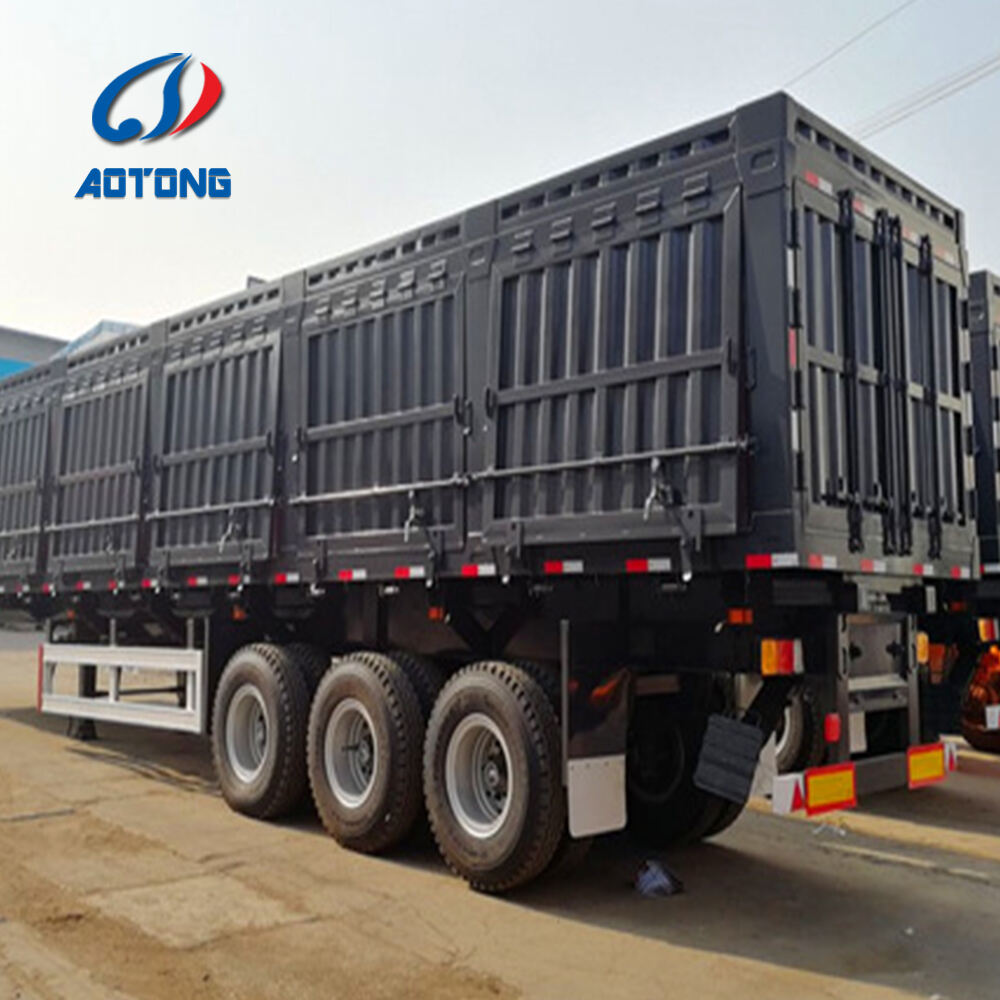
Van Trailer Advantages: Security, Flexibility & Cost Savings
Understanding Van Trailer Types and Their Best Use Cases
Enclosed van trailers: Security and weather protection
Enclosed van trailers really protect valuable stuff during transport, something most logistics folks care deeply about. According to a recent study by Ponemon (2025), almost nine out of ten managers put weather resistance at the top of their list when choosing transportation options. The sealed design keeps things dry inside while also deterring thieves who target expensive items like electronics equipment worth hundreds of thousands on average when stolen from cargo shipments. Pharmaceuticals need this kind of protection too since they must stay within certain temperature ranges throughout delivery. Looking at what's happening in the industry right now, those standard sized 53 foot dry vans are becoming increasingly popular across regions because they fit nicely into most loading docks and can carry around 45 thousand pounds worth of goods without any issues.
Refrigerated trailers: Ideal for temperature-sensitive cargo
Reefer trailers can keep things cool between -20 degrees Fahrenheit all the way up to 70 degrees. These are really important for stuff that goes bad quickly, like fruits and vegetables which have about a 32 percent chance of spoiling if not kept refrigerated. Pharmaceuticals that need specific storage conditions also rely heavily on these units. Modern day reefers come with features such as separate cooling zones and GPS tracking for temperature records, which helps meet those FDA requirements for keeping products at proper temps throughout shipping. According to data from the USDA, using refrigerated transport cuts down on wasted produce by around 28 percent when compared with regular trucks that don't have cooling systems installed.
Flatbed and utility trailers: Maximizing load flexibility
Flatbed trailers work really well when moving stuff that's just too big for regular trucks. Think heavy machinery, those massive steel beams, or construction materials that won't fit inside normal containers. The whole point of these trailers is their open layout that lets workers load from the top or sides. That explains why around three out of four equipment rental businesses rely on flatbeds to haul backhoes and cranes around job sites. There are different types available too. Some have what's called step-decks with lower center sections to accommodate taller items. Others can actually stretch out to take care of loads measuring all the way up to 65 feet long. These variations make flatbeds incredibly versatile for various transportation needs across industries.
Key Features to Evaluate When Buying a Van Trailer
Trailer Size, Weight Capacity, and Interior Dimensions
Take some time to figure out what kind of payload capacity is actually needed for regular operations. Going beyond the maximum gross vehicle weight limit isn't just dangerous but also expensive in terms of repairs and maintenance. According to recent industry data from the Fleet Efficiency Report 2023, around one third of companies end up dealing with unexpected breakdowns simply because they overload their vehicles. The size of the trailer matters too when it comes to transporting goods. If there's not enough room inside for proper cargo arrangement, things get unstable during transit and operations become inefficient. Think about this scenario: trying to move standard pallet loads in something smaller than a 48 foot trailer often means making multiple runs instead of one trip, which can push fuel expenses up somewhere between 15-20%. To stay on the right side of regulations, business owners should check out the latest Trailer Sizing Standards released in 2024 and make sure everything aligns with those Department of Transportation requirements regarding axle weights.
Material Durability and Construction Quality
When looking at trailer options, go for those with aluminum or galvanized steel frames since they stand up better against rust and last longer overall. Trailers constructed with bad welds or made from thin metal tend to break down about 40 percent more often after just five years according to recent studies from the Transportation Safety Institute. Take a close look at the cross members and wall panels too. Reinforced joints matter a lot, particularly when running long hauls across highways day after day. For anyone dealing with coastal areas where salt air hangs around, marine grade aluminum makes all the difference. These special alloys can boost lifespan anywhere between 15 to maybe even 25% compared to regular materials exposed to similar conditions.
Door Configurations and Accessibility Options
When choosing between roll-up and barn doors, consider what kind of loading operations will be happening regularly at the site. Roll-up doors actually free up around 12 to 15 extra inches of space, which makes all the difference when navigating those cramped city streets or alleyways. If dealing with oddly shaped items becomes routine, then looking at split rear doors arranged in a 60/40 ratio really helps warehouse workers get forklifts in there quicker, maybe even cutting down their work time by about a quarter. Single door arrangements just don't cut it anymore when multiple loading points are needed throughout the day. A recent industry poll from last year showed that nearly four out of five fleet managers saw noticeable improvements in how fast trucks could turn around when they had two separate entry points available instead of just one.
Matching Your Van Trailer to Specific Industry Requirements
Transportation and logistics: Efficiency and payload focus
Trailers built for heavy payloads and good airflow can cut down on fuel costs quite a bit, somewhere around 12 to maybe even 18 percent depending on conditions. Some companies go the extra mile with custom builds that have stronger floors and separate storage areas inside, which actually makes their day-to-day operations run smoother by about a quarter. When transporting things that need specific temperatures, like fresh produce or pharmaceuticals, adding insulation panels or installing climate controlled sections really helps keep products safe during transport. The latest trailers now combine lighter weight aluminum structures with better securing mechanisms for goods, something that logistics managers report has made a big difference in keeping cargo intact. Many warehouses have seen damage claims drop roughly 40% since switching to these newer designs, though results do vary based on route and cargo type.
Construction and equipment hauling: Ruggedness and security
Construction firms need trailers with heavy-duty steel frames, tamper-proof locks, and rock-resistant undercarriages. Diamond-plate flooring withstands abrasion from heavy machinery, while stake pockets allow secure side-mounting of tools and materials. Air-ride suspension protects sensitive equipment like laser levels and concrete mixers from vibration damage during transit.
Mobile retail and service businesses: Branding and accessibility
Trailer setups with those big 90 inch roll up doors make all the difference for mobile businesses wanting customers to actually stop by their location. And let's not forget about those eye catching vinyl wraps on the outside that scream brand identity from across the parking lot. Inside these rolling workspaces, there's plenty going on too. Fold out counters come in handy when serving multiple people at once, while proper generator mounts keep everything running smoothly during those long festival days. The ramps built according to ADA standards? They're not just legally required but also practically essential for getting wheelchair users inside without any hassle. According to some survey folks did last year (can't remember if it was 2023 or maybe 2022), around two thirds of shoppers actually prefer dealing with businesses that have nicely branded trailers instead of just driving up in plain vans.
Maintenance, Compliance, and Long-Term Cost Considerations
Routine Maintenance Tips to Extend Trailer Lifespan
Regular maintenance can cut down repair bills by around 35% over five years while keeping vehicles running smoothly. Monthly inspections should include checking tire pressure levels, making sure axles stay properly lubricated, and looking out for signs of corrosion particularly bad in areas where roads get salted during winter months. After transporting goods, it's smart practice to give those cargo spaces a good cleaning so dirt doesn't accumulate and start wearing down hinges or damaging the floorboards over time. Refrigerated trucks need special attention too. The condenser coils inside these units should be cleaned approximately every 500 operating hours because when they get dirty, the cooling system works harder just to do its job properly.
DOT Compliance and Safety Inspection Requirements
The Department of Transportation requires annual inspections for commercial vehicles, though smart fleet operators actually check their equipment twice a year to stay ahead of potential problems. Brake systems always need special attention, along with all the lights and those critical structural parts like kingpins and couplers that hold everything together. Trailers that fail compliance standards face serious consequences - fines can pile up over $11k each day they remain non-compliant, plus they get taken offline completely until fixed, according to recent FMCSA records. Most companies now rely on digital fleet management tools to track inspection history and catch small issues before they become big headaches. Something as simple as tire treads dropping below 2/32 inch can lead to roadside stops, so keeping tabs on these details makes good business sense in the long run.
Fuel Efficiency and Total Cost of Ownership
Fuel makes up about 30% of what most operators spend on running their vehicles, so anything that cuts fuel burn matters a lot. Adding aerodynamic skirts and installing tire pressure monitors typically brings down fuel usage somewhere between 12 and 15 percent. Switching to lighter aluminum floors instead of steel ones reduces empty vehicle weight, which means trucks can carry more cargo while still holding up just fine over time. For smaller fleet owners thinking about how to own their rigs, leasing with maintenance packages built in usually ends up costing around 20% less overall compared to buying outright. That kind of savings adds up fast when managing multiple vehicles across different routes and conditions.
FAQ
What are the benefits of enclosed van trailers?
Enclosed van trailers offer maximum security and weather protection for goods, making them ideal for shipping valuable or temperature-sensitive items like electronics and pharmaceuticals.
How do refrigerated trailers maintain temperature?
Refrigerated trailers use advanced cooling systems that can maintain temperatures between -20 to 70 degrees Fahrenheit, making them essential for transporting perishable goods.
Why choose a flatbed trailer over other types?
Flatbed trailers are versatile, offering flexibility for loading large or irregularly shaped items from the top or sides, making them ideal for construction materials and large machinery.
How can I ensure my van trailer remains in compliance with DOT standards?
Regular inspections, maintaining critical parts like brakes and lights, and using digital fleet management tools can help ensure DOT compliance and avoid costly fines.
What factors should be considered for trailer customization in different industries?
Customization factors include trailer size, weight capacity, material durability, door configurations, and any specific industry requirements like temperature control or branding for mobile retail businesses.
Table of Contents
- Understanding Van Trailer Types and Their Best Use Cases
- Key Features to Evaluate When Buying a Van Trailer
- Matching Your Van Trailer to Specific Industry Requirements
- Maintenance, Compliance, and Long-Term Cost Considerations
-
FAQ
- What are the benefits of enclosed van trailers?
- How do refrigerated trailers maintain temperature?
- Why choose a flatbed trailer over other types?
- How can I ensure my van trailer remains in compliance with DOT standards?
- What factors should be considered for trailer customization in different industries?